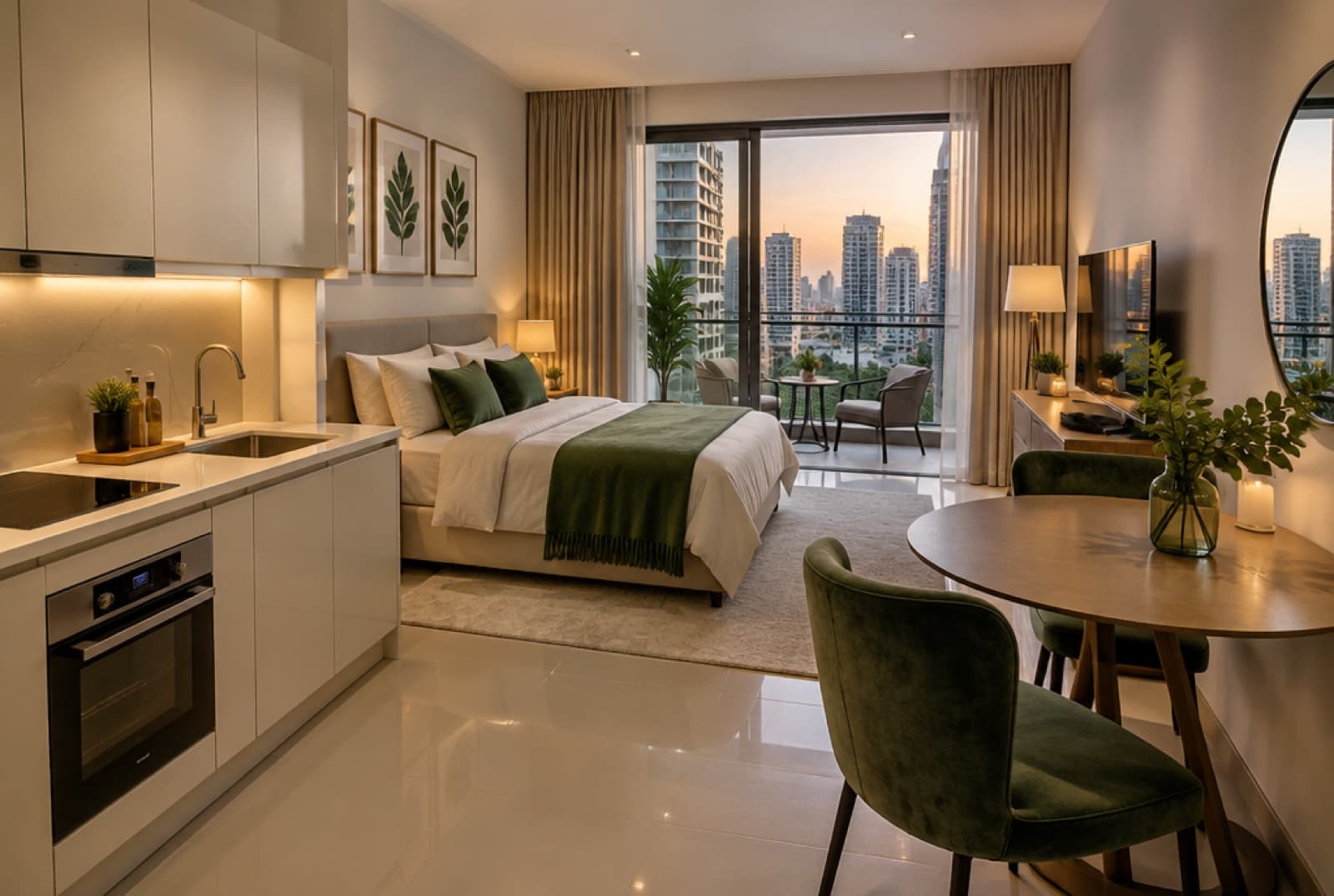
Short-term rentals are one of the most popular side businesses in Dubai, and they are legal when registered. Holiday homes are regulated by Dubai's Department of Economy and Tourism (DET). Here's how it works, in plain words.
Two ways to start
- Rent out a home you own or rent: register it as a holiday home with DET. Tenants need the landlord's written consent (NOC) and the building's rules must allow short stays.
- Run a holiday home company: get a trade licence with the holiday-homes activity, then register each unit you manage with DET. This is how operators manage many owners' flats.
What you'll pay for
- DET registration for each unit, and the Tourism Dirham charged per occupied night
- Furnishing to DET's classification standard
- Cleaning, linen, check-in and maintenance
- Listing-platform commission
- Your own rent, if you're subletting
Fees change, so always check the current amounts on DET's holiday home portal before you budget.
Mistakes that cost people money
- Listing without a DET permit (fines and delisting).
- Subletting without the landlord's NOC.
- Underestimating summer vacancy.
- Ignoring building rules on short stays.
A lower-risk start
Not ready for tourists? Monthly rooms and bed spaces for workers fill year-round with fewer turnovers. You can list your place on Stayshay for free, or manage it with Stayshay Manager.
List your place for free
Reviewed by our team and shown to renters across the UAE.
Frequently asked questions
Do I need a licence for Airbnb in Dubai?
Yes. Holiday homes must be registered with Dubai's Department of Economy and Tourism (DET), whether you're an individual or a company.
Can a tenant run a holiday home in Dubai?
Only with the landlord's written consent (NOC) and a DET registration, in a building that allows short stays.
Is a holiday home business profitable in Dubai?
It can be, but margins depend on location, seasonality and costs. Model a slow summer before you sign a lease.