

Your move, step by step
- Before you fly. Attest your degree, marriage certificate and children's birth certificates at your foreign ministry and the UAE embassy before you fly; employers and the family visa process ask for them.
- Arriving. Indian citizens usually need a visa arranged before travel (employment, visit or family visa). Some, such as holders of a valid US visa or UK/EU residence, can get a visa on arrival; check before you fly.
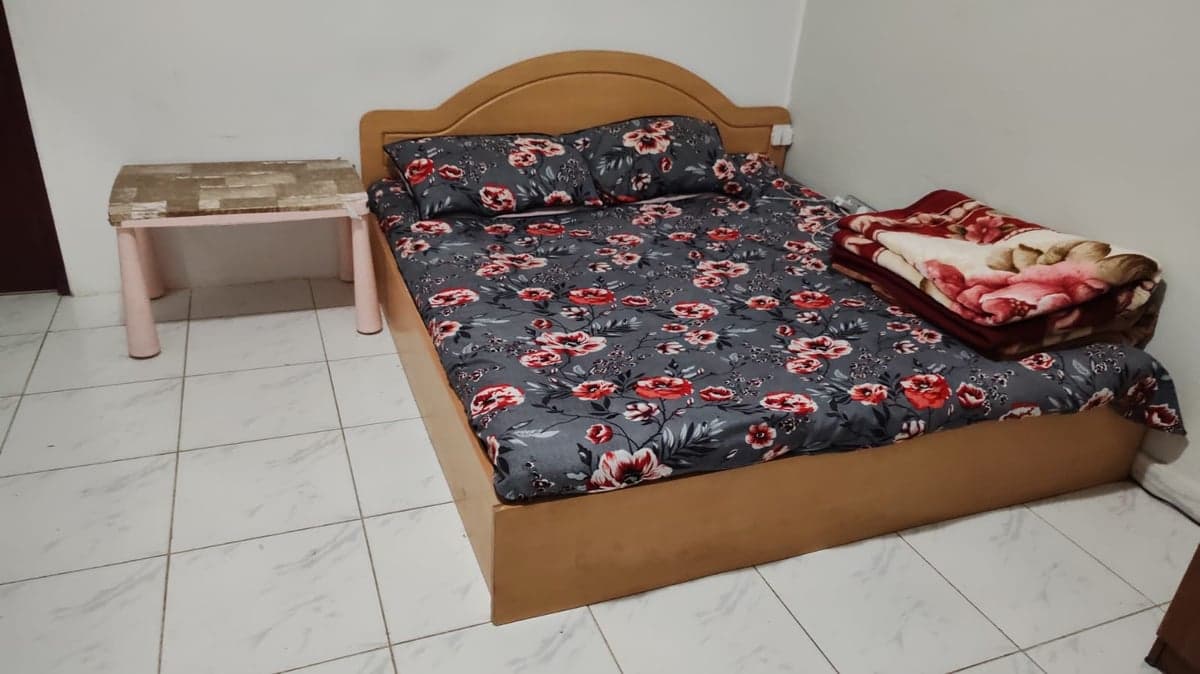
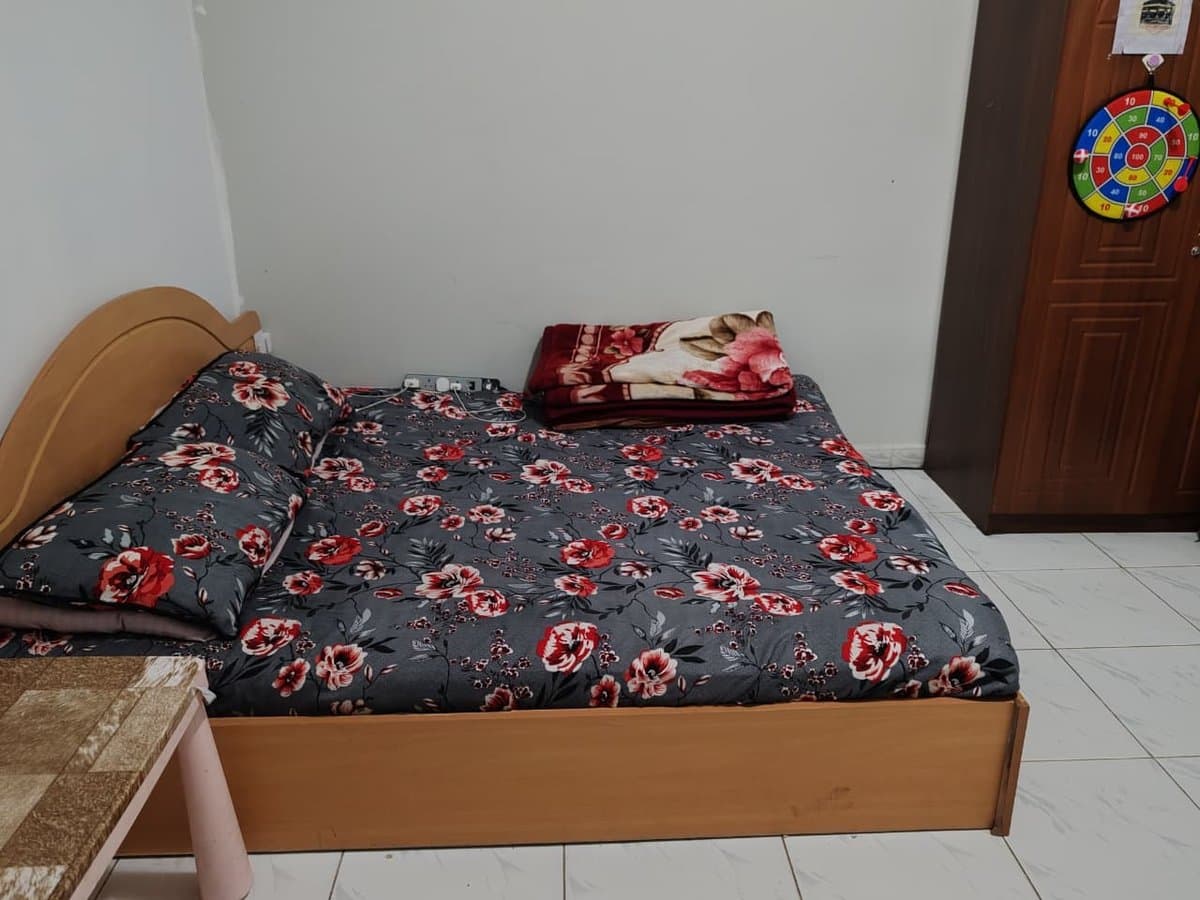
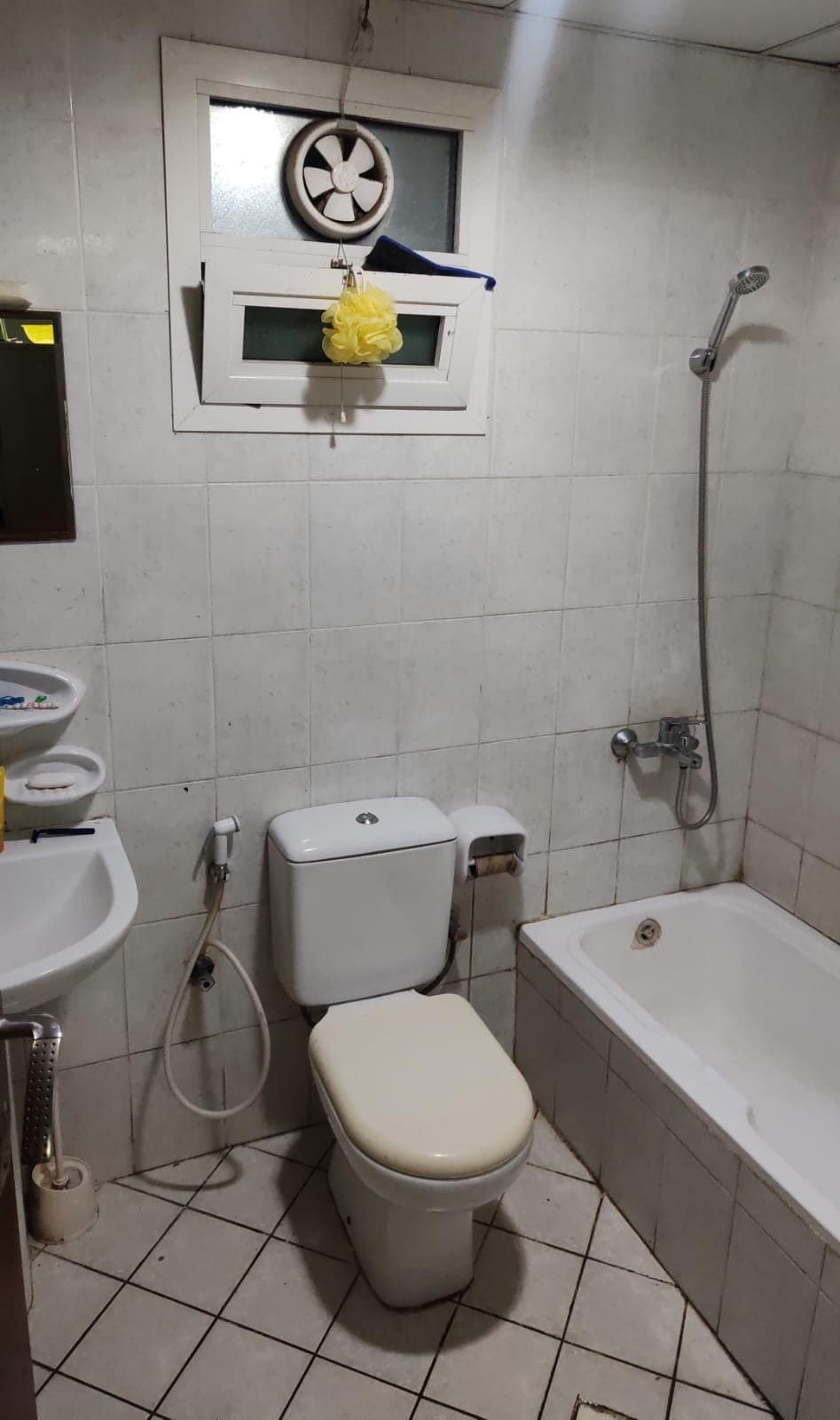
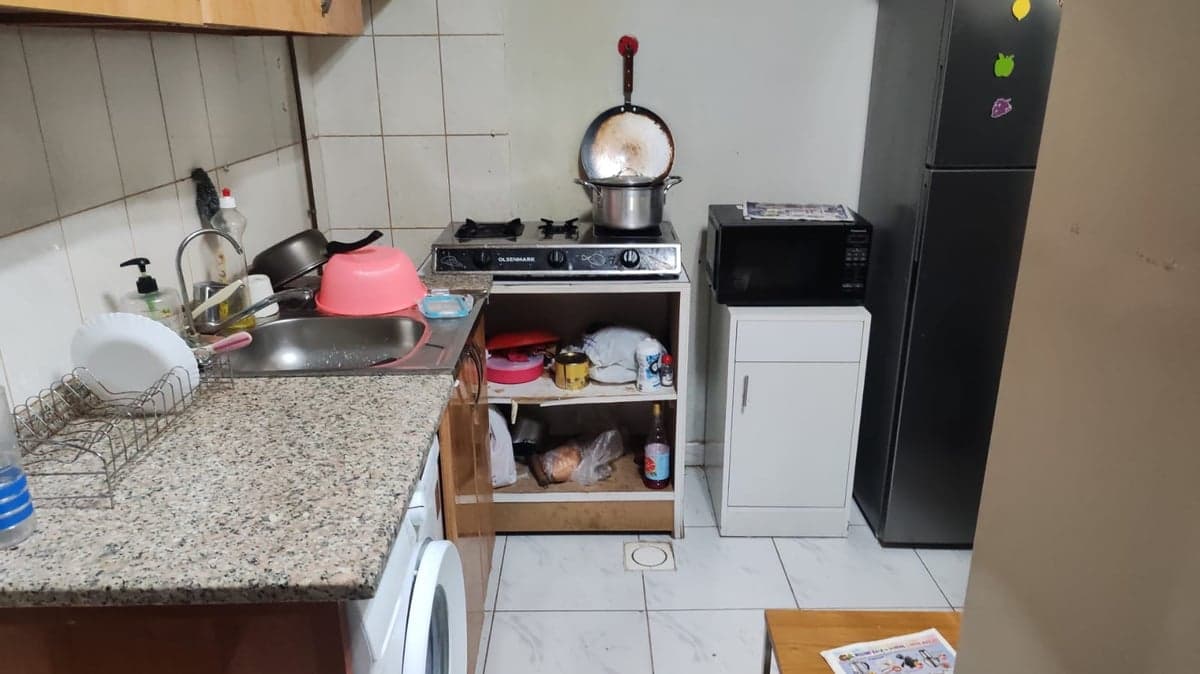
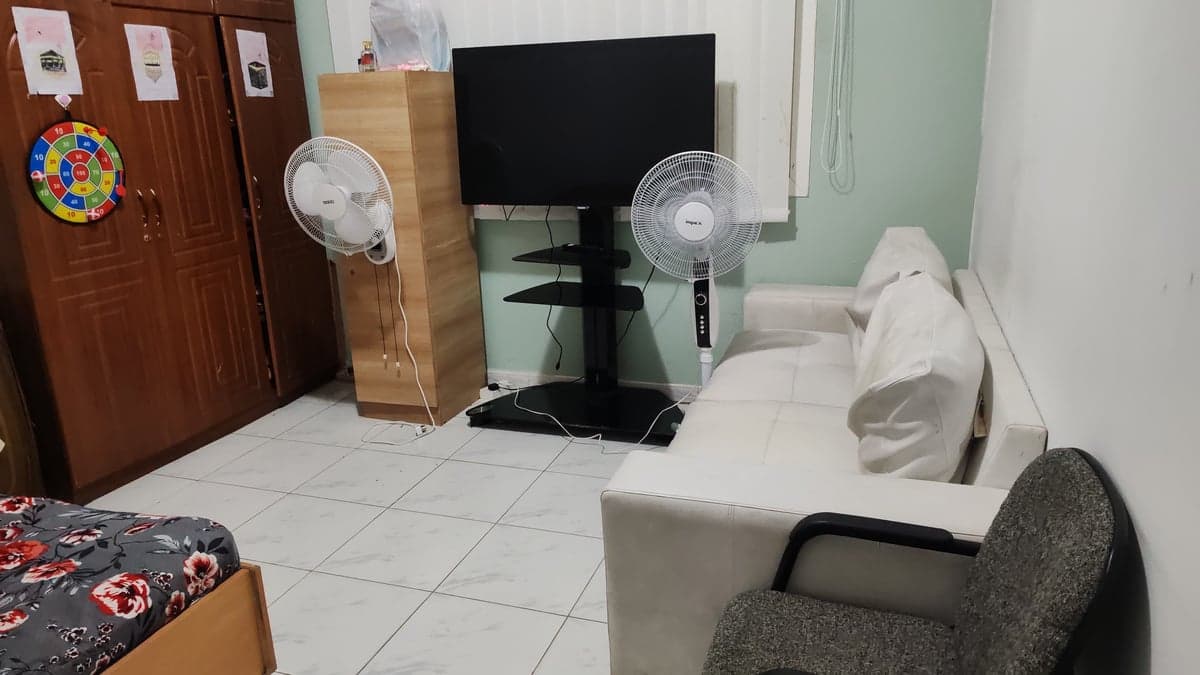
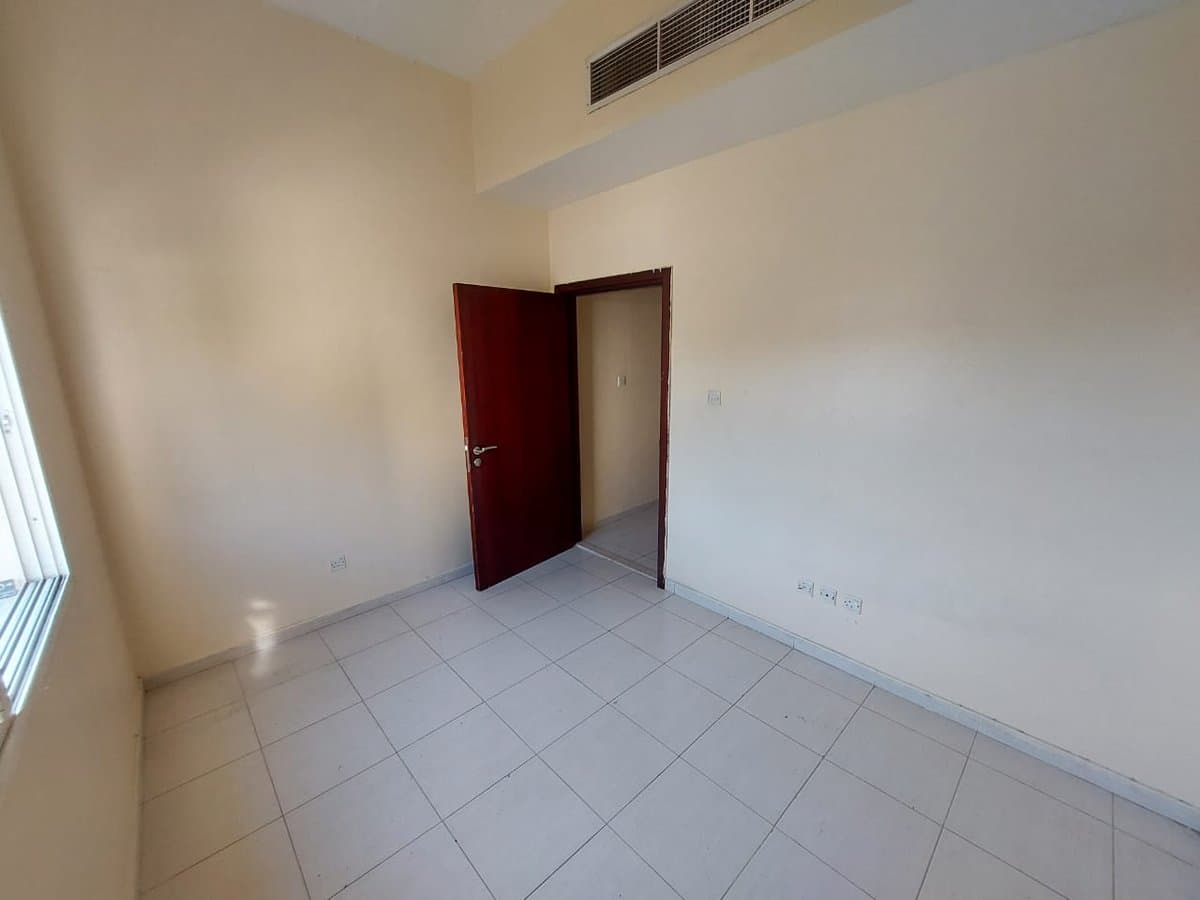
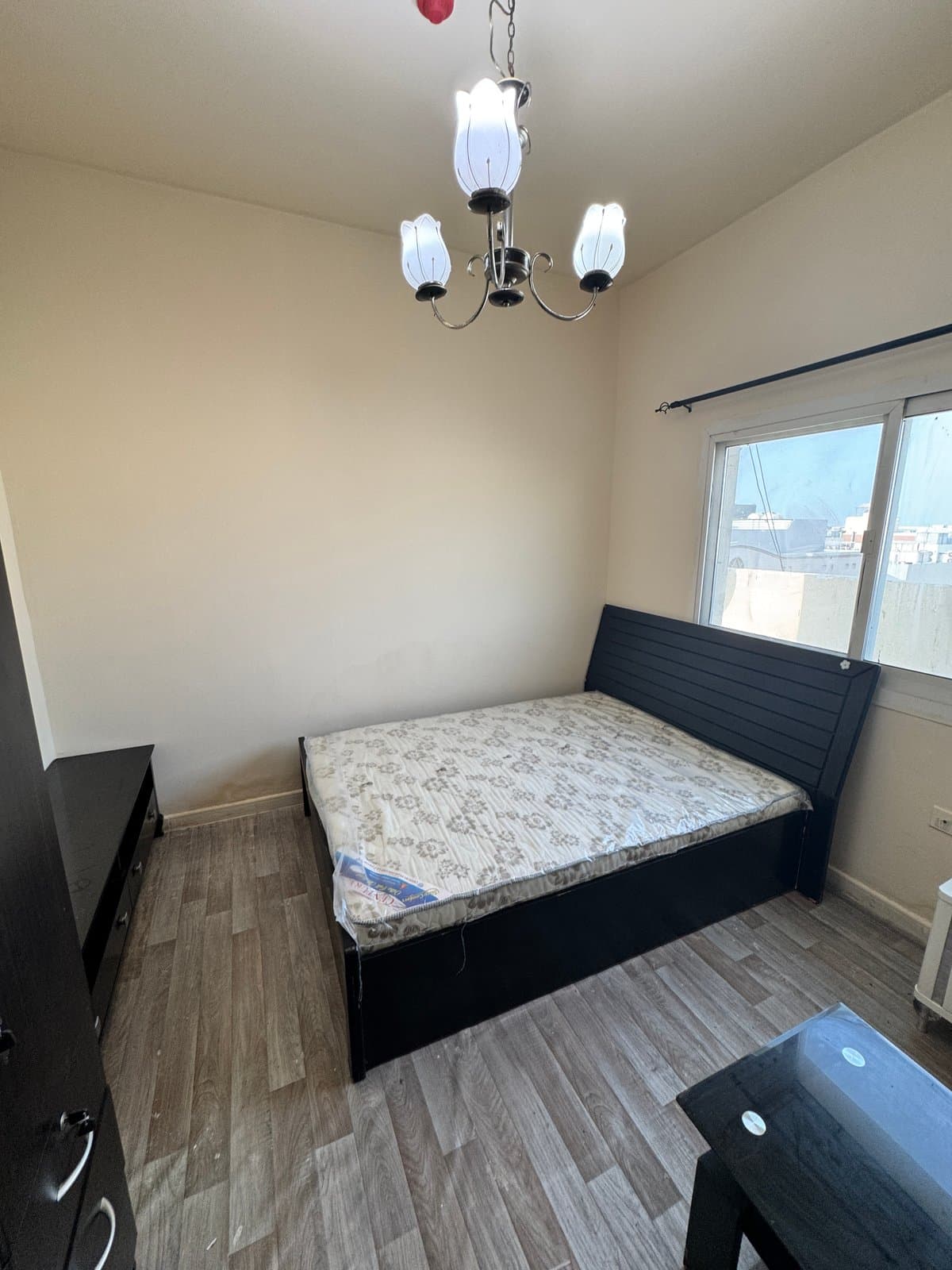
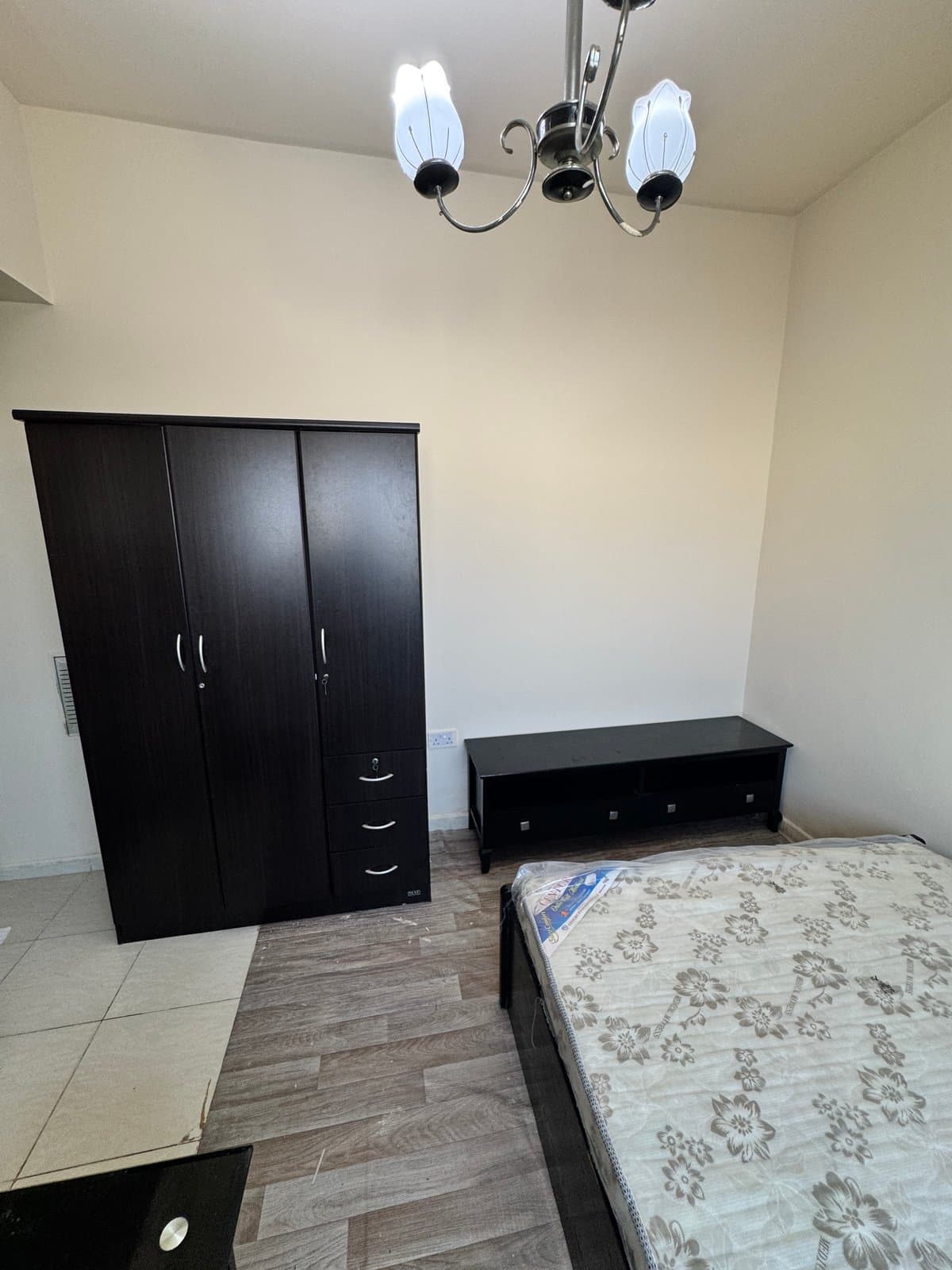
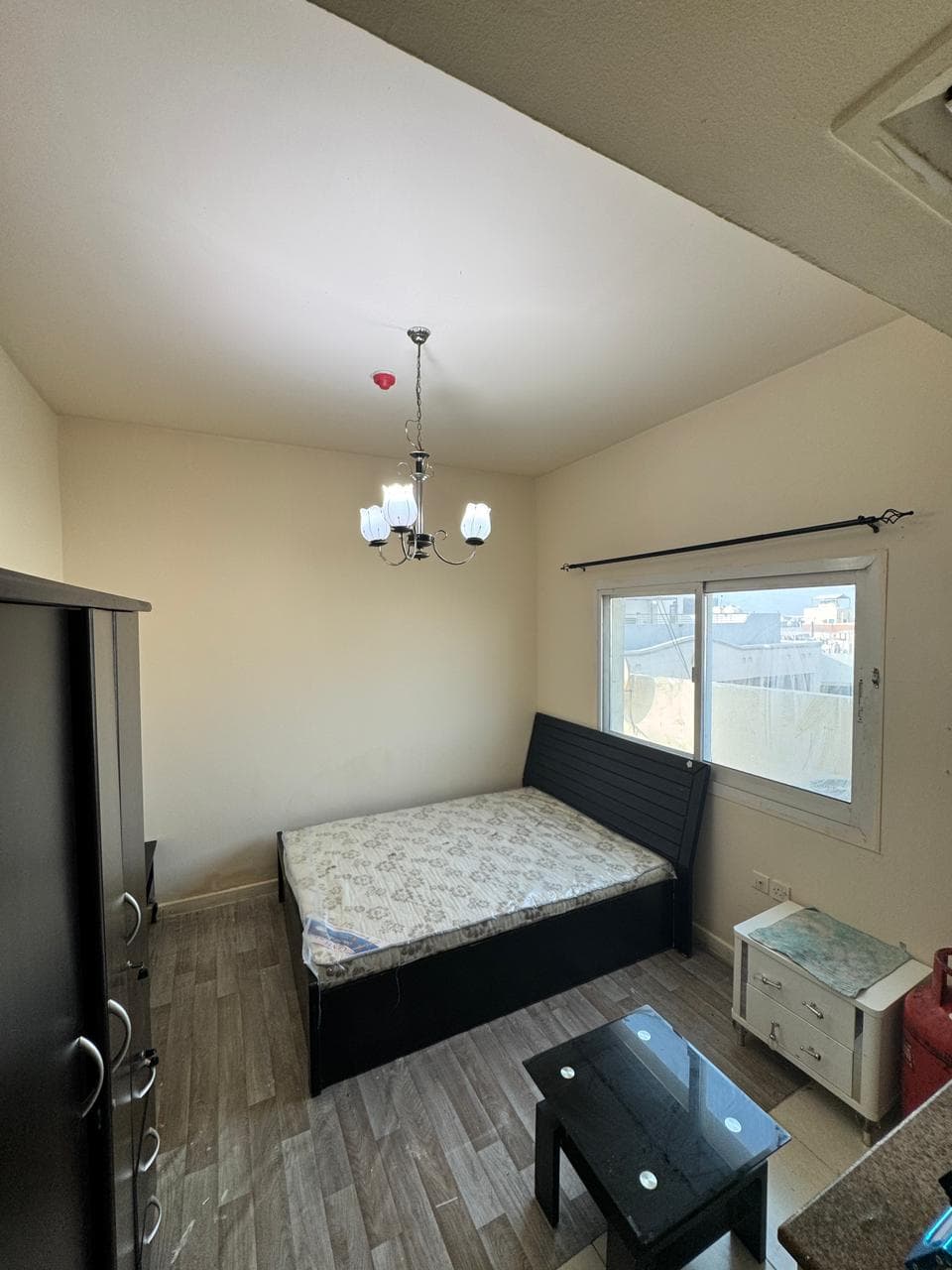
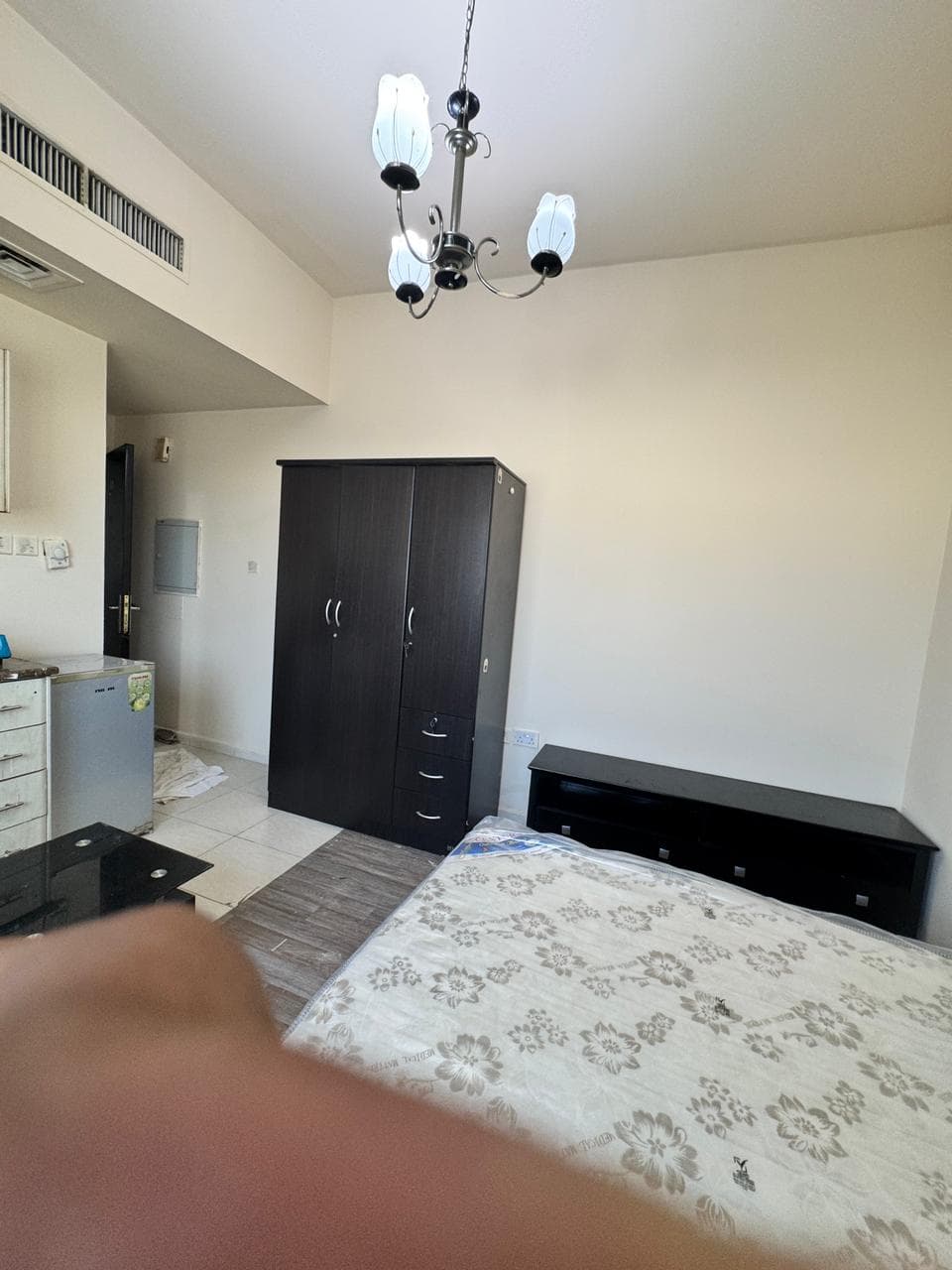
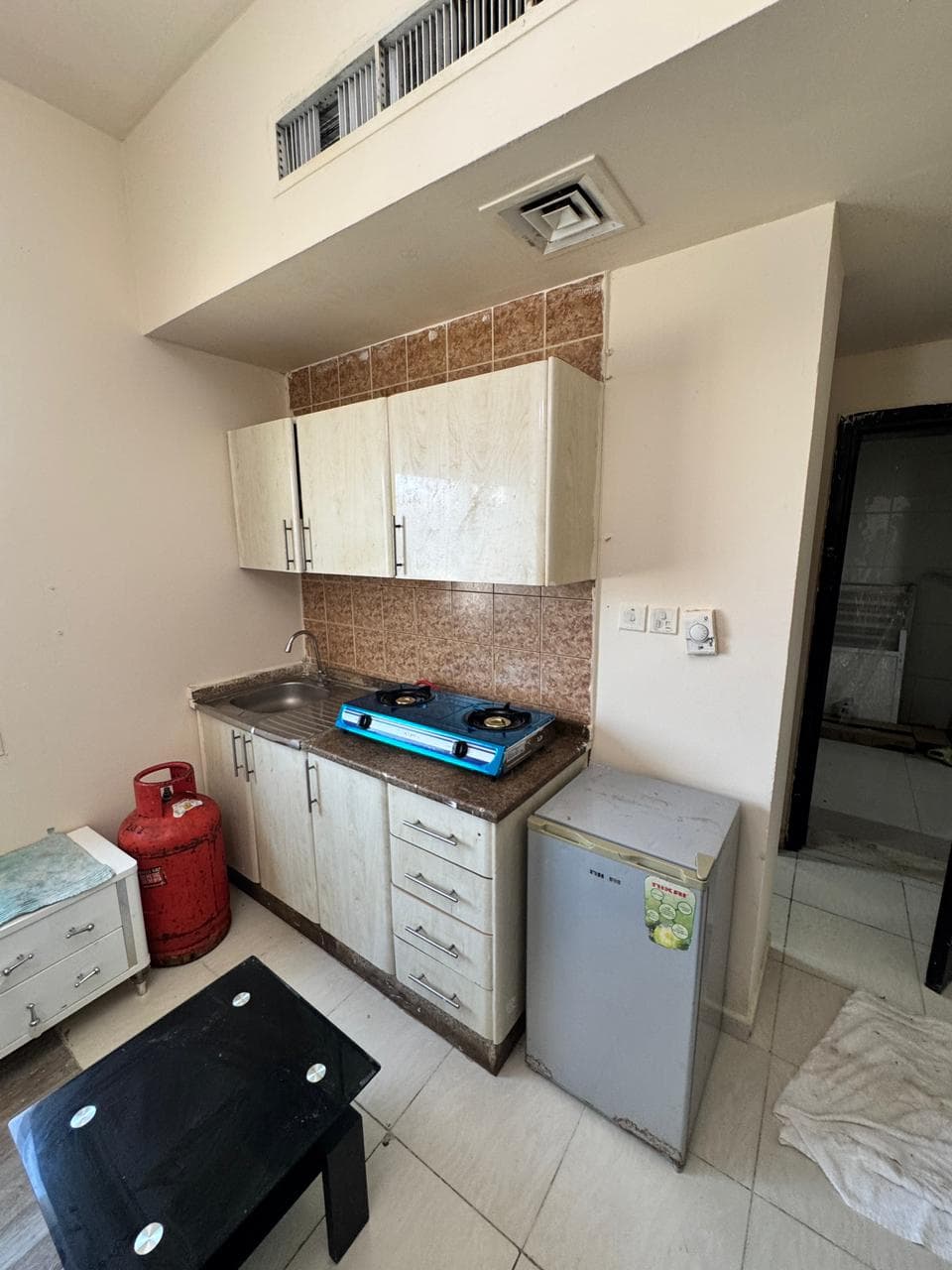
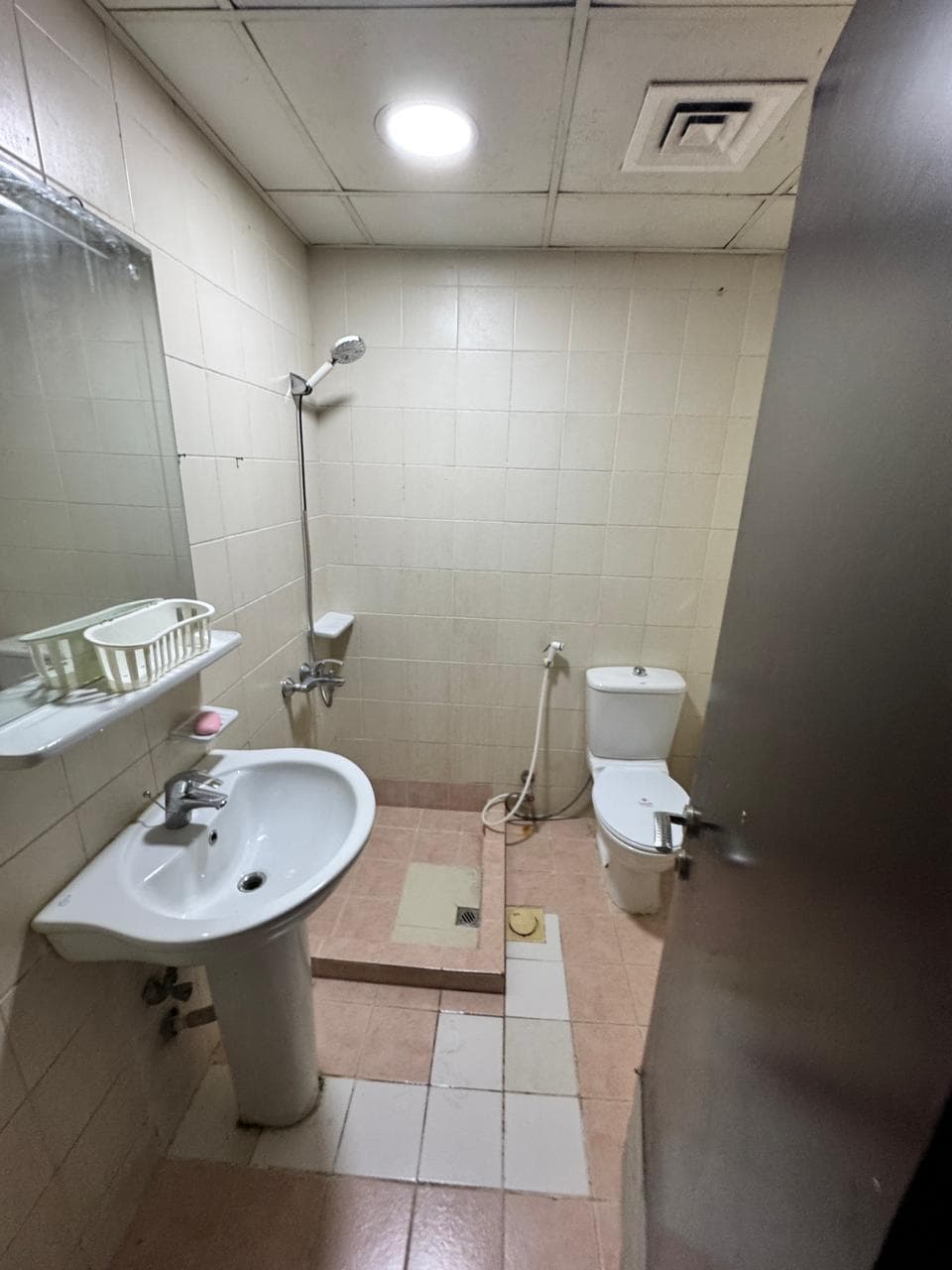
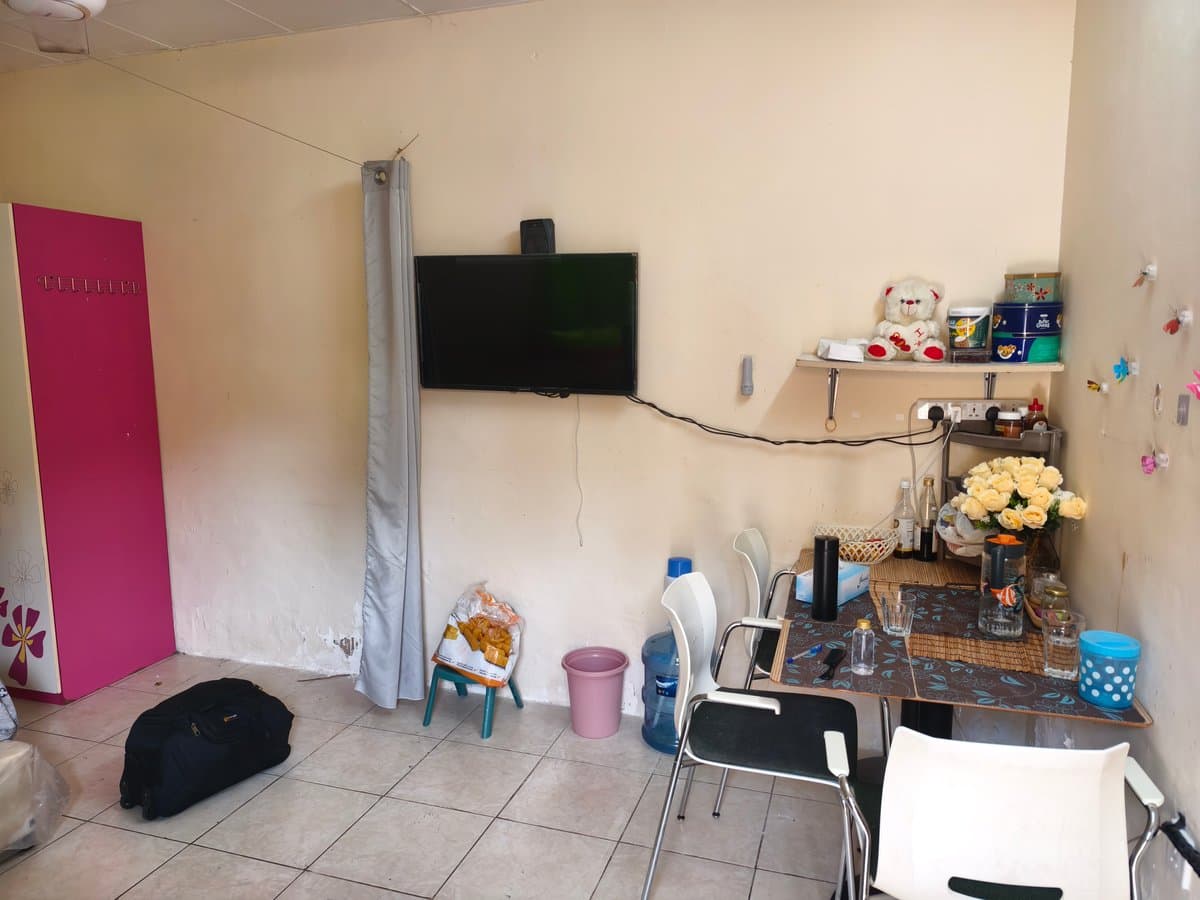
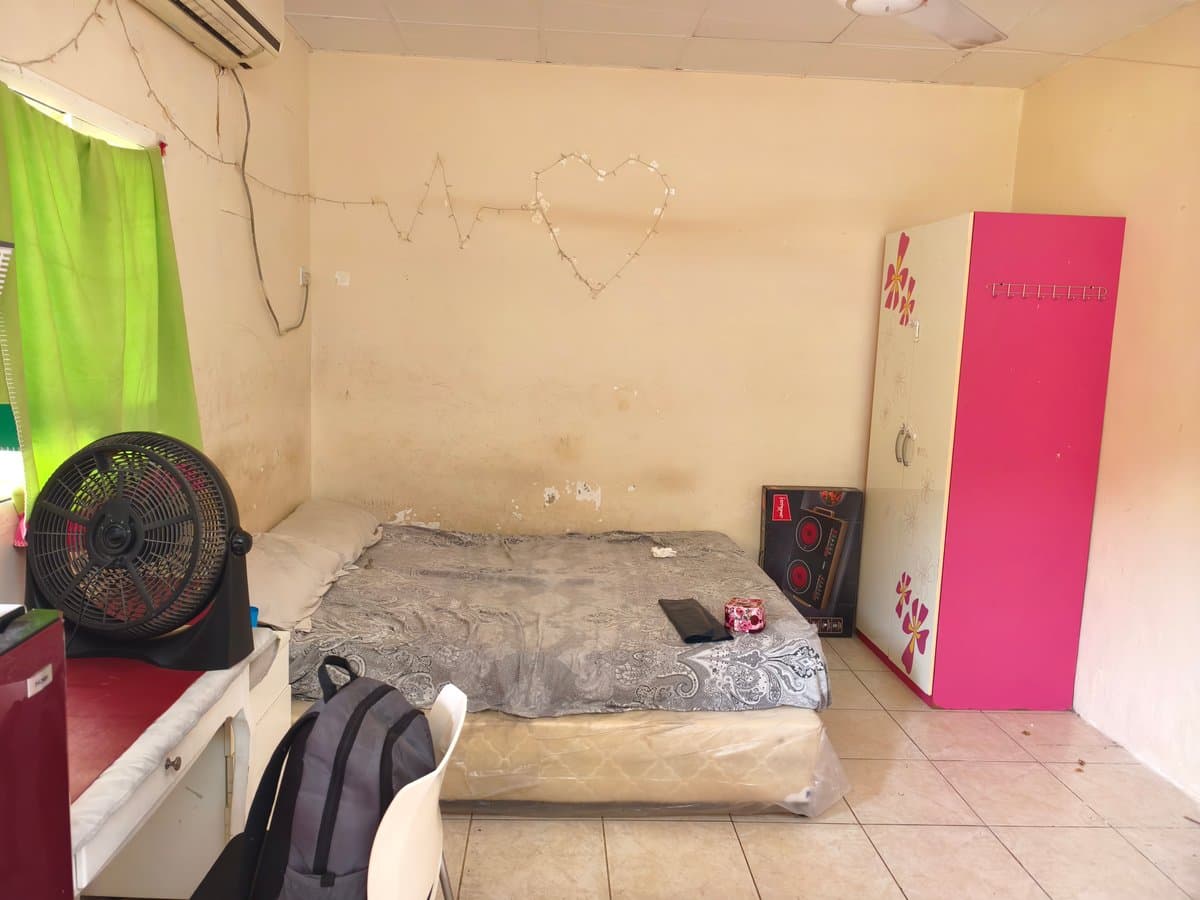
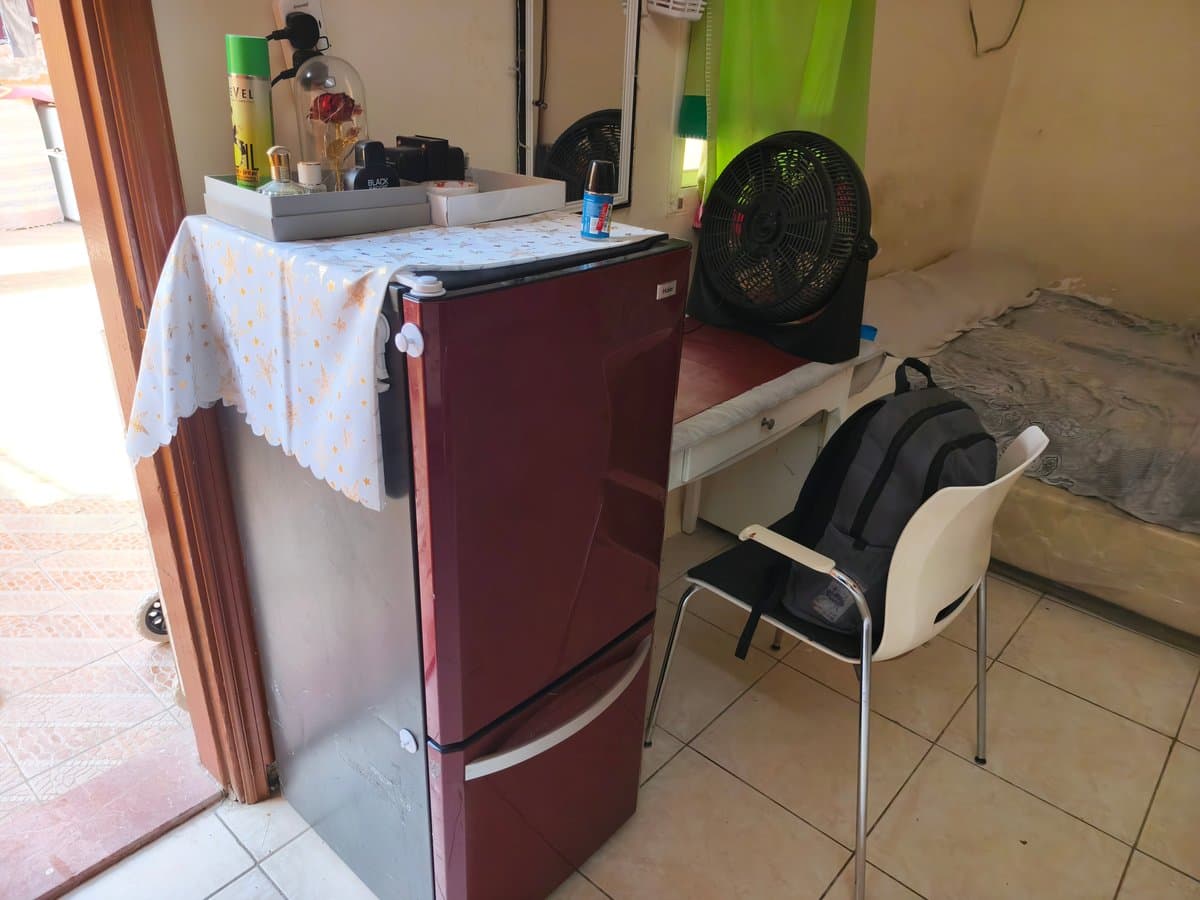
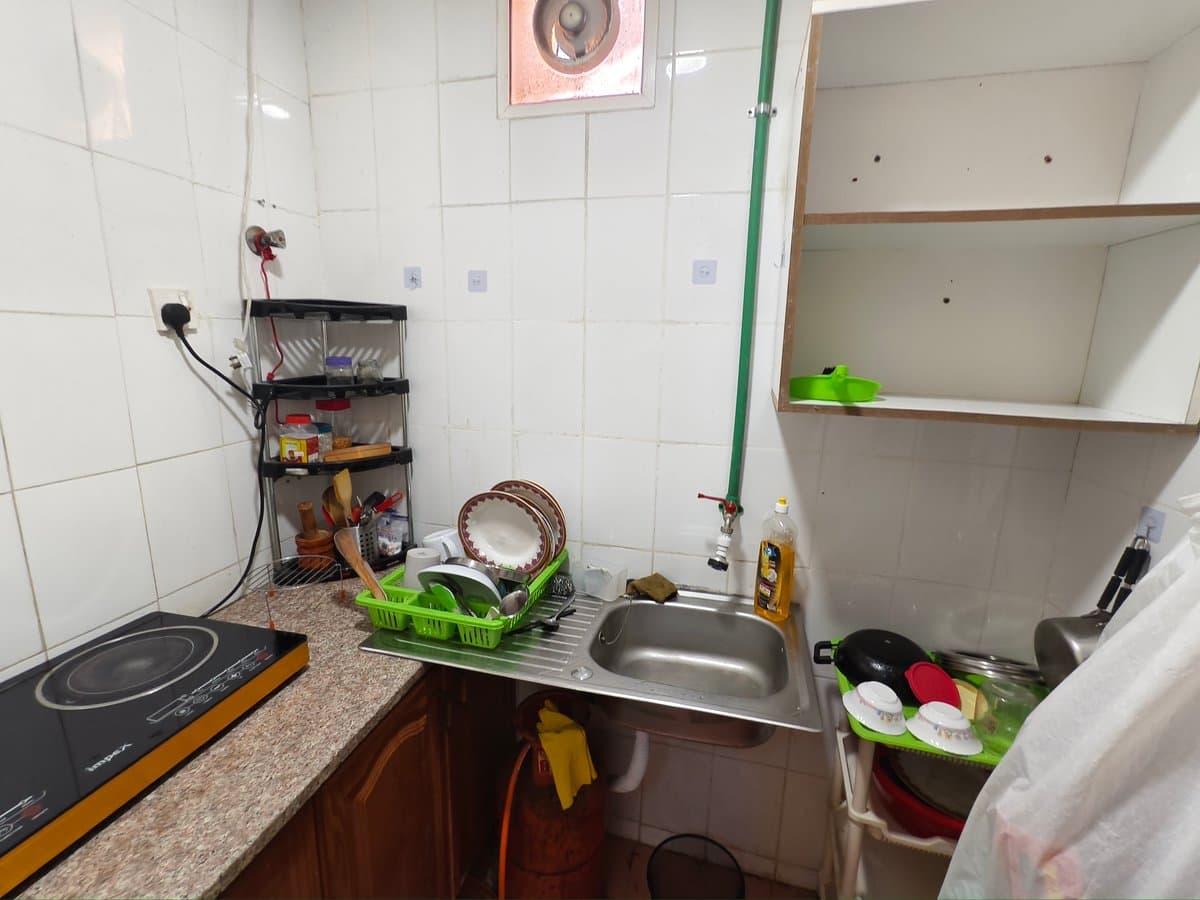
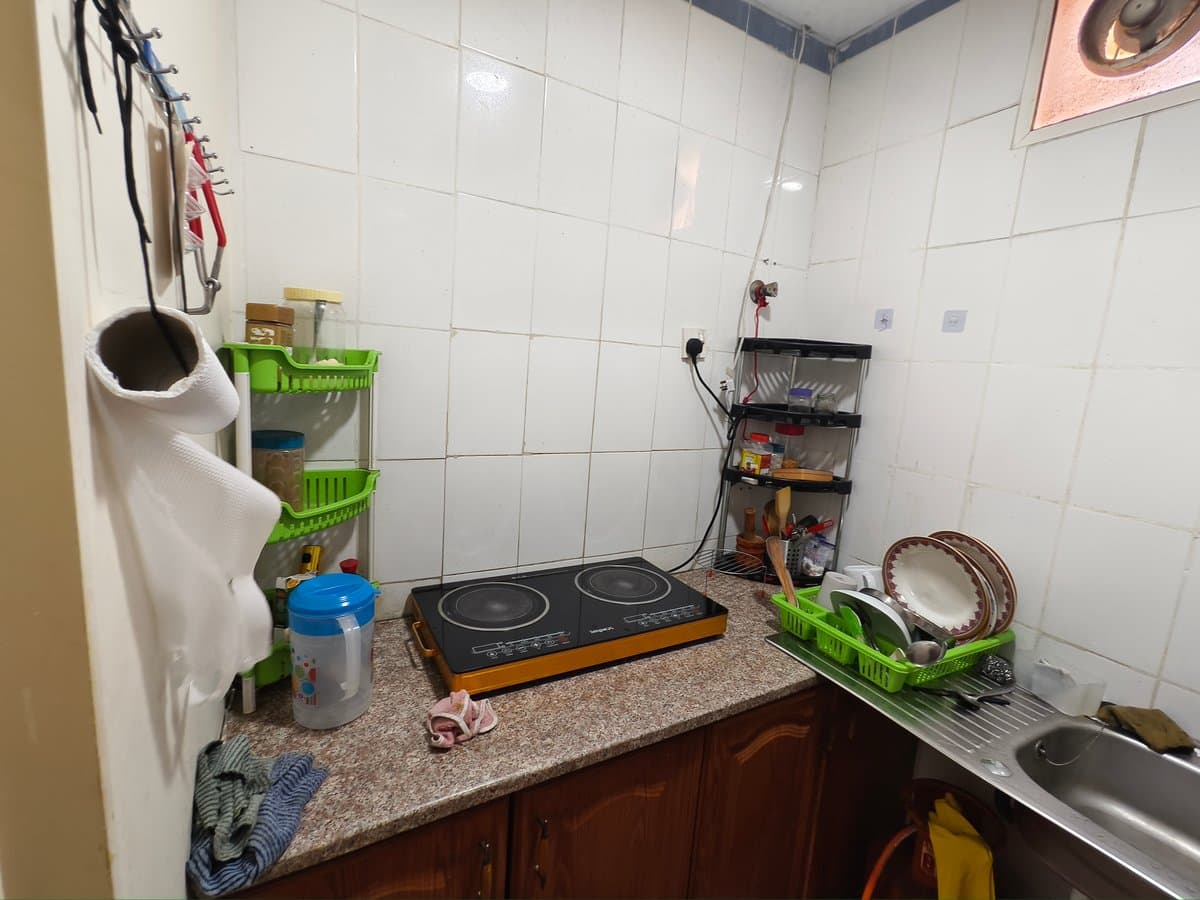
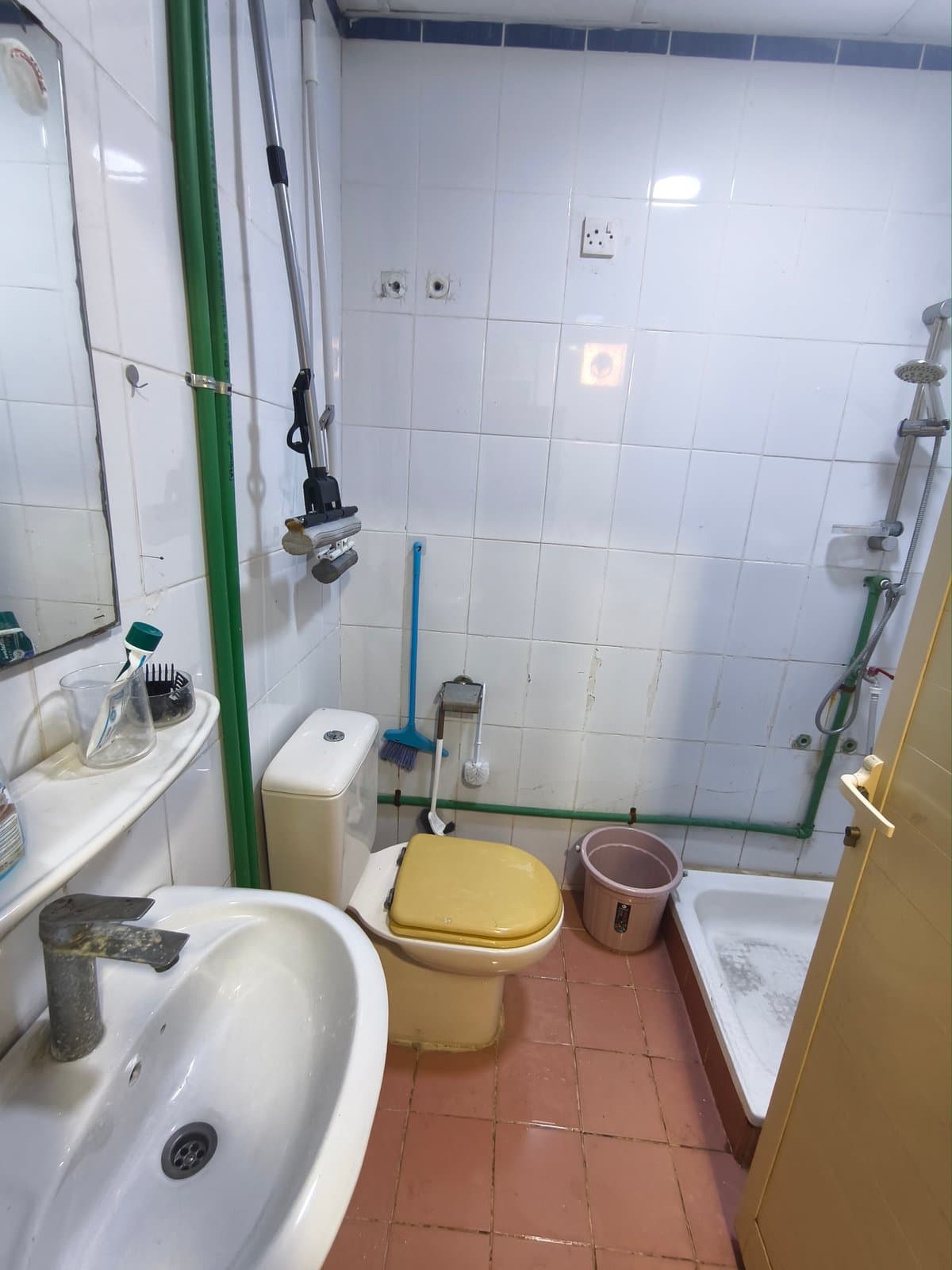
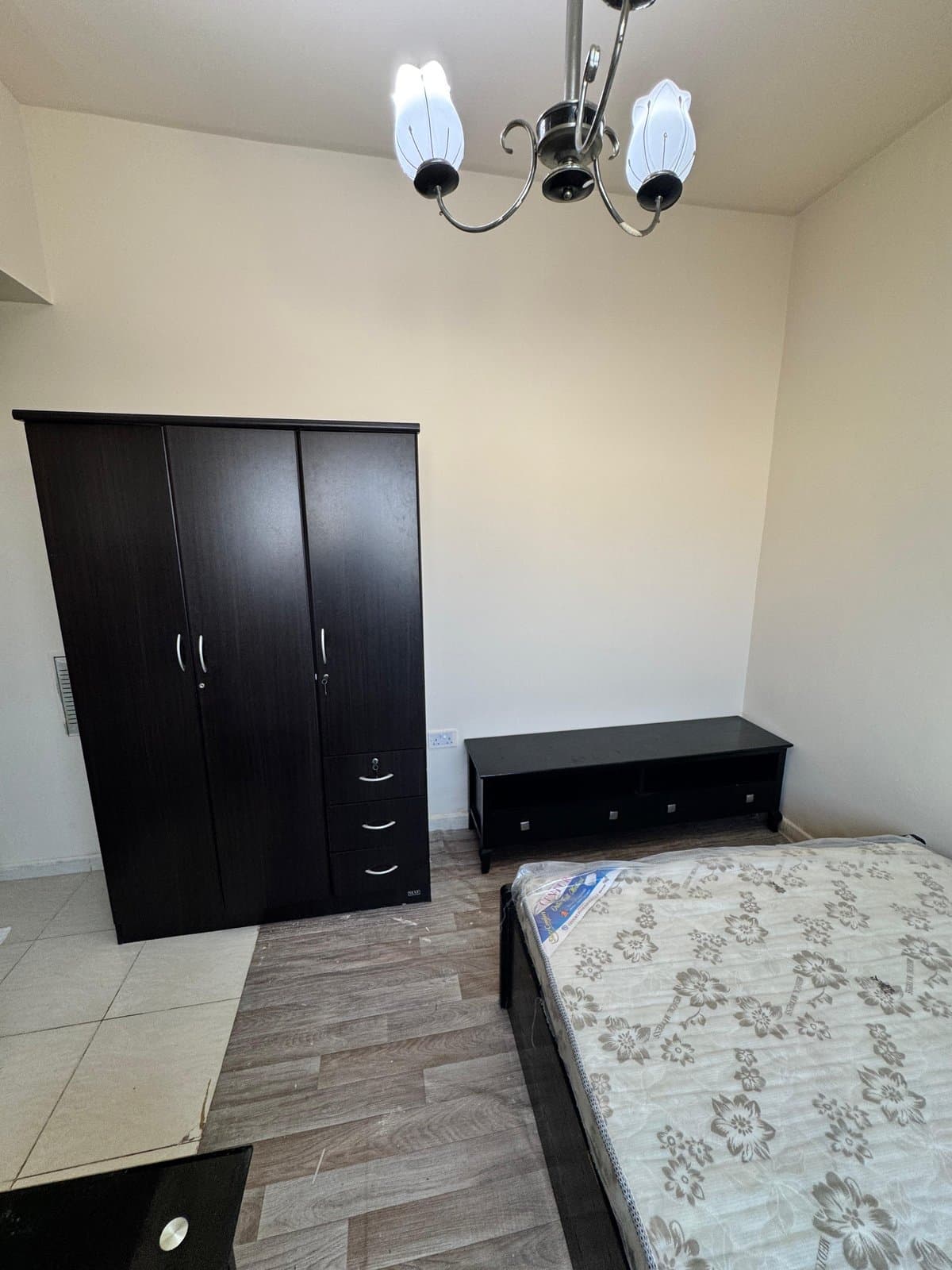
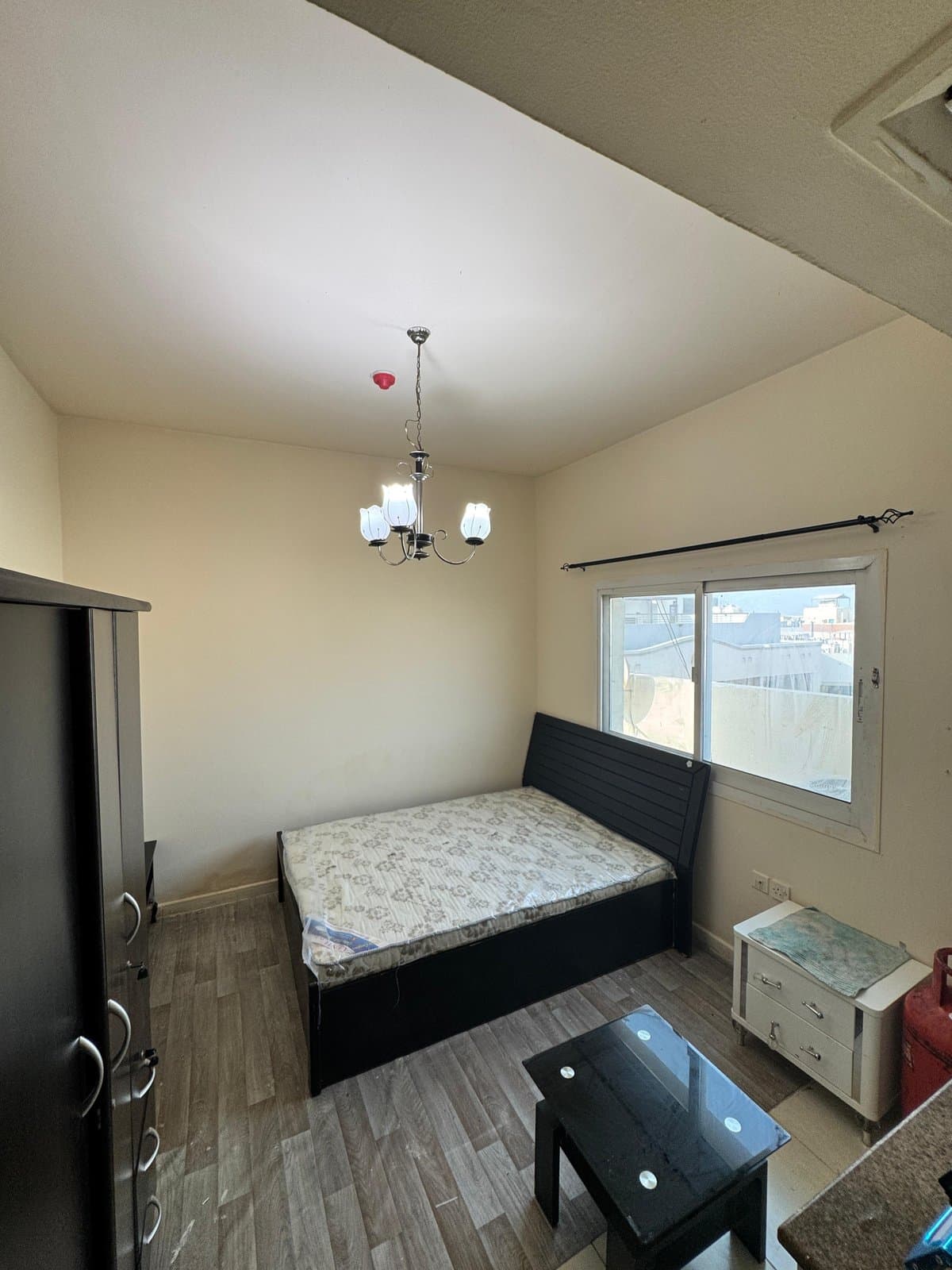
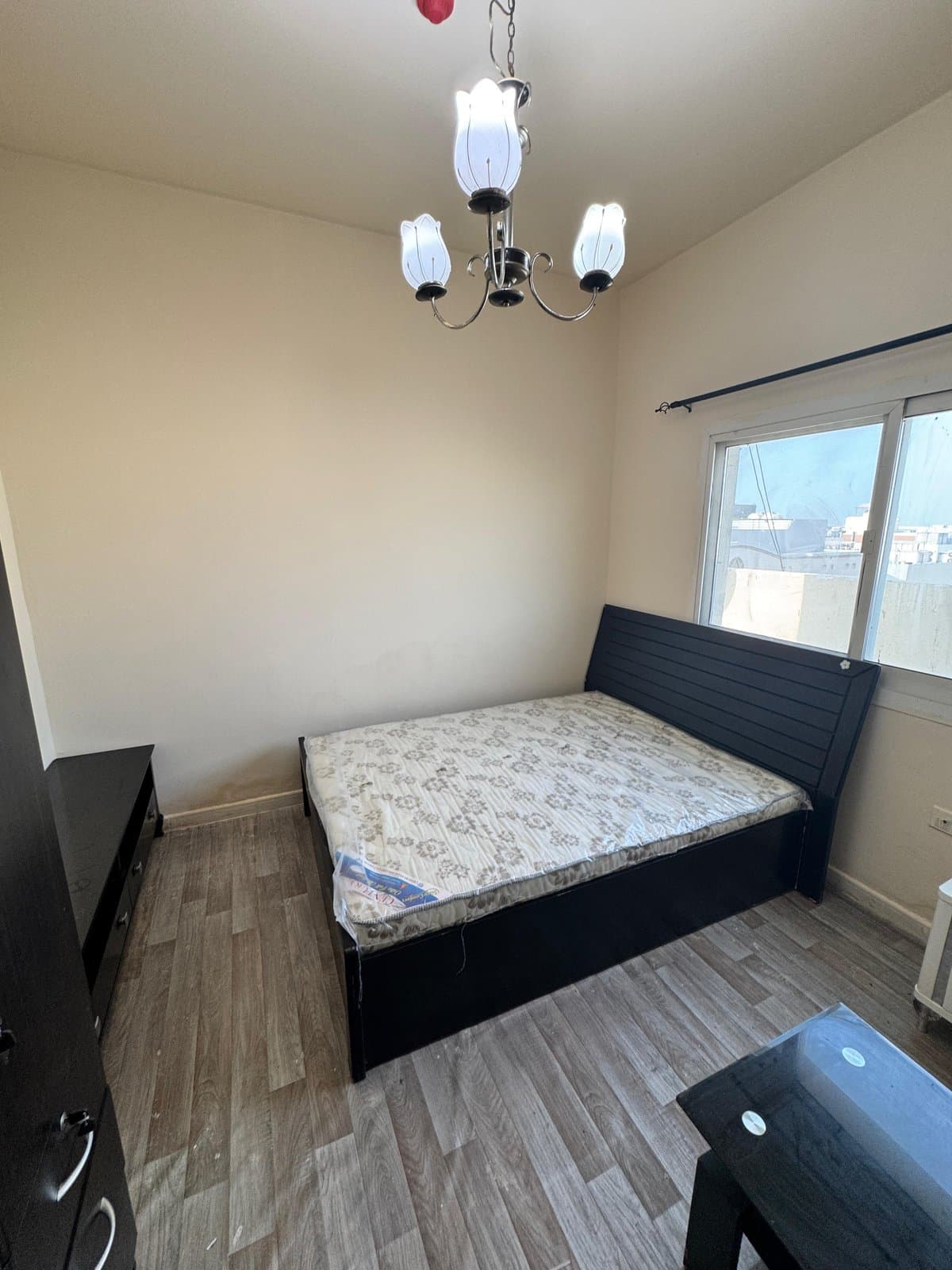
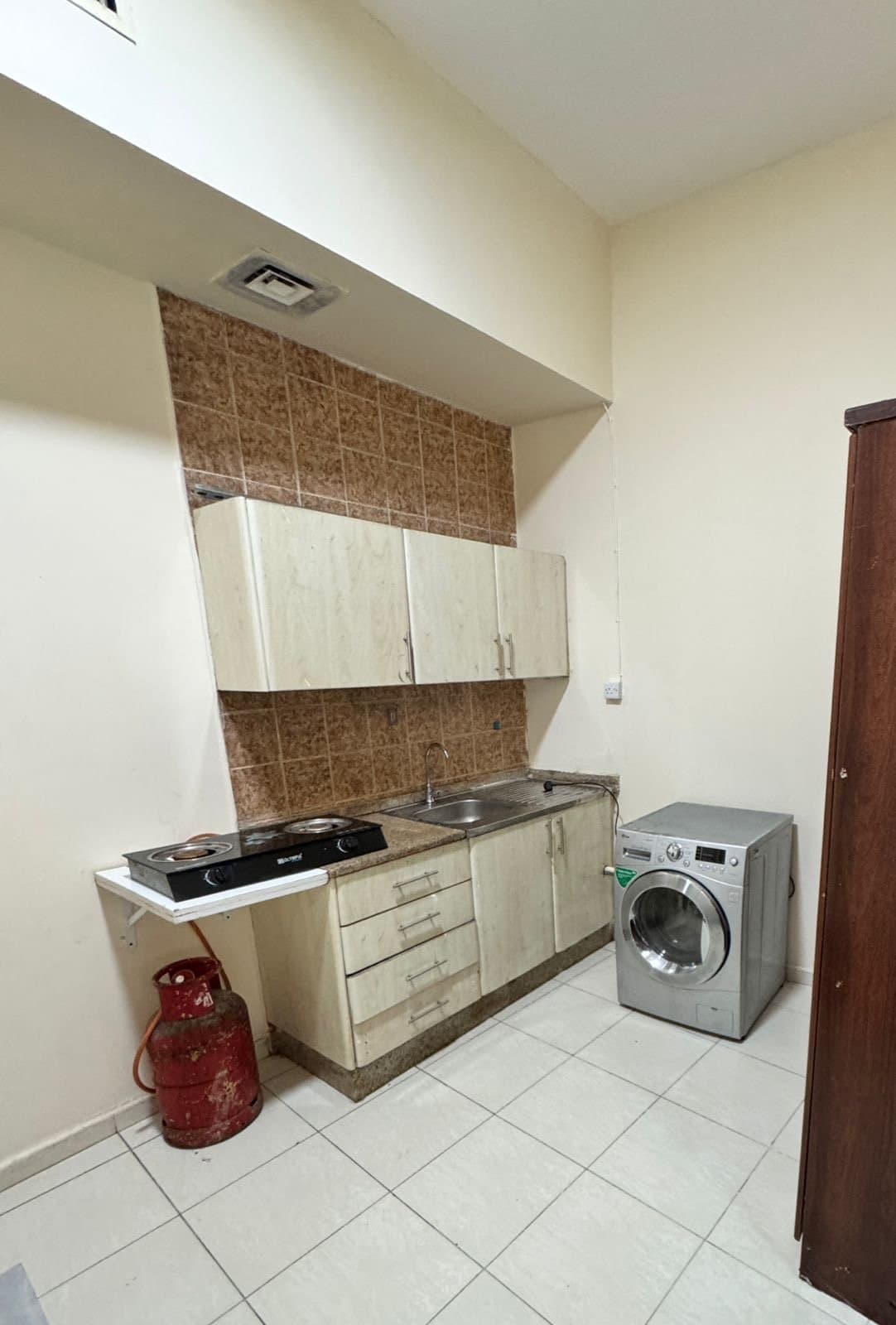
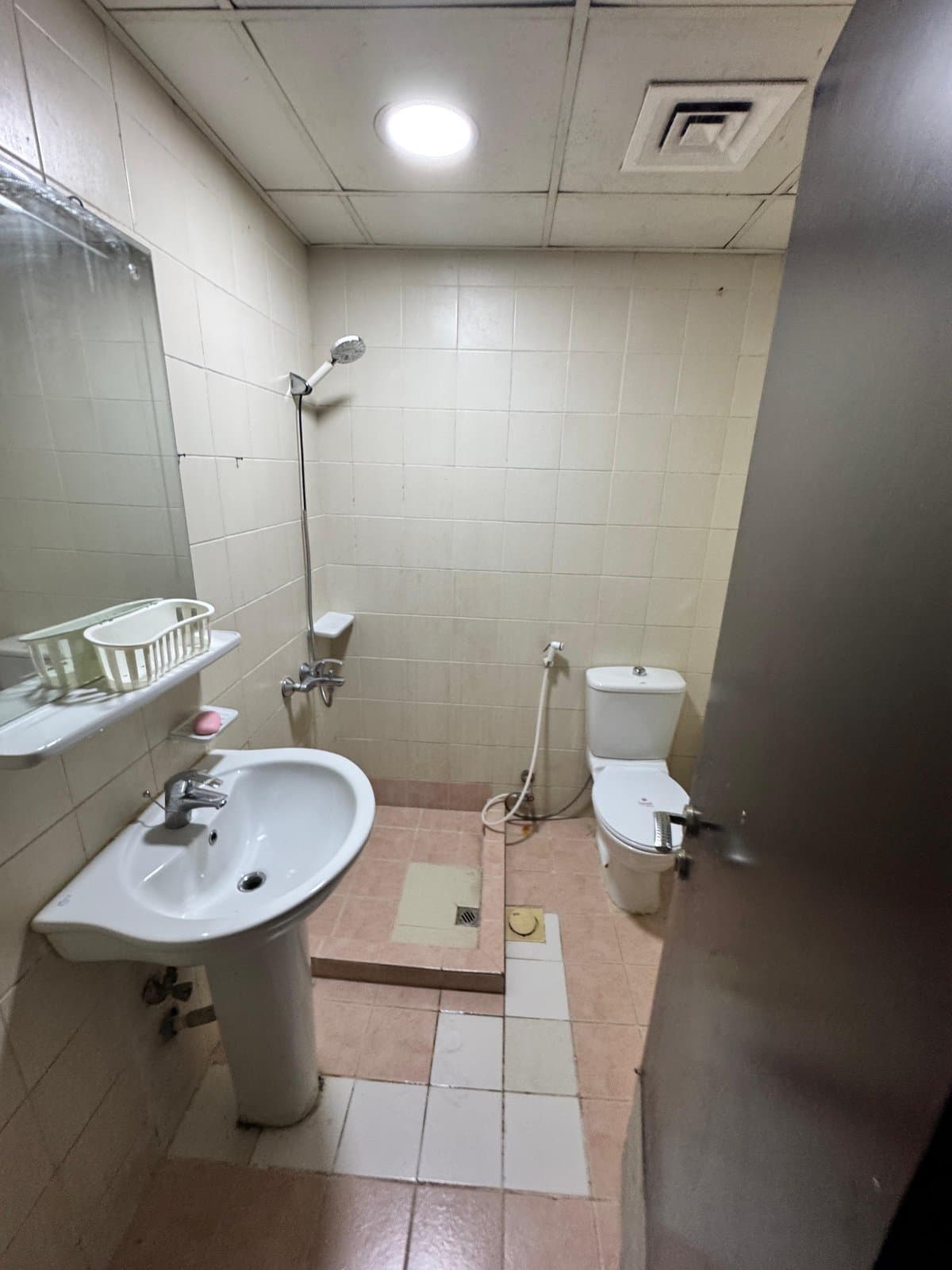
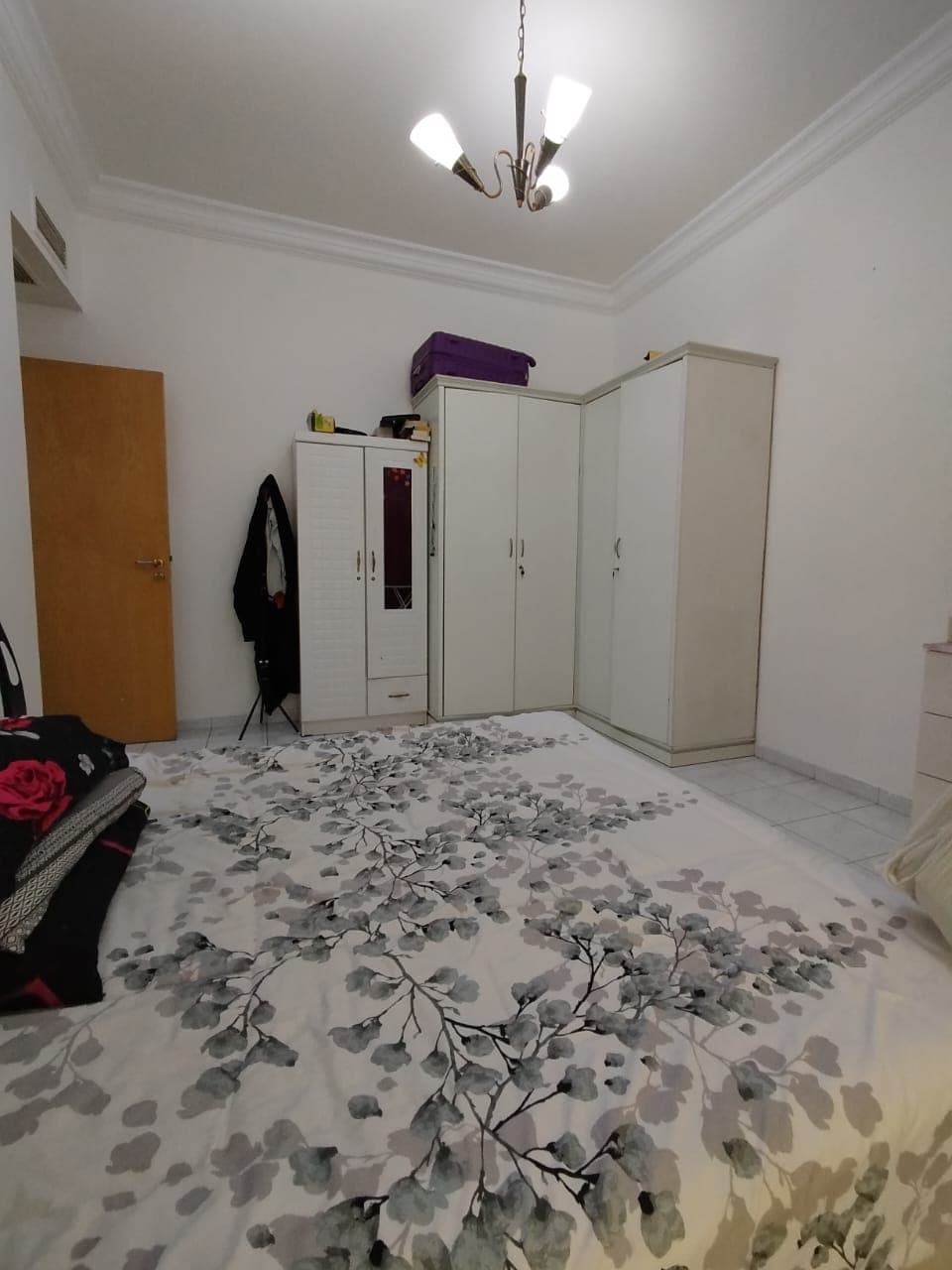
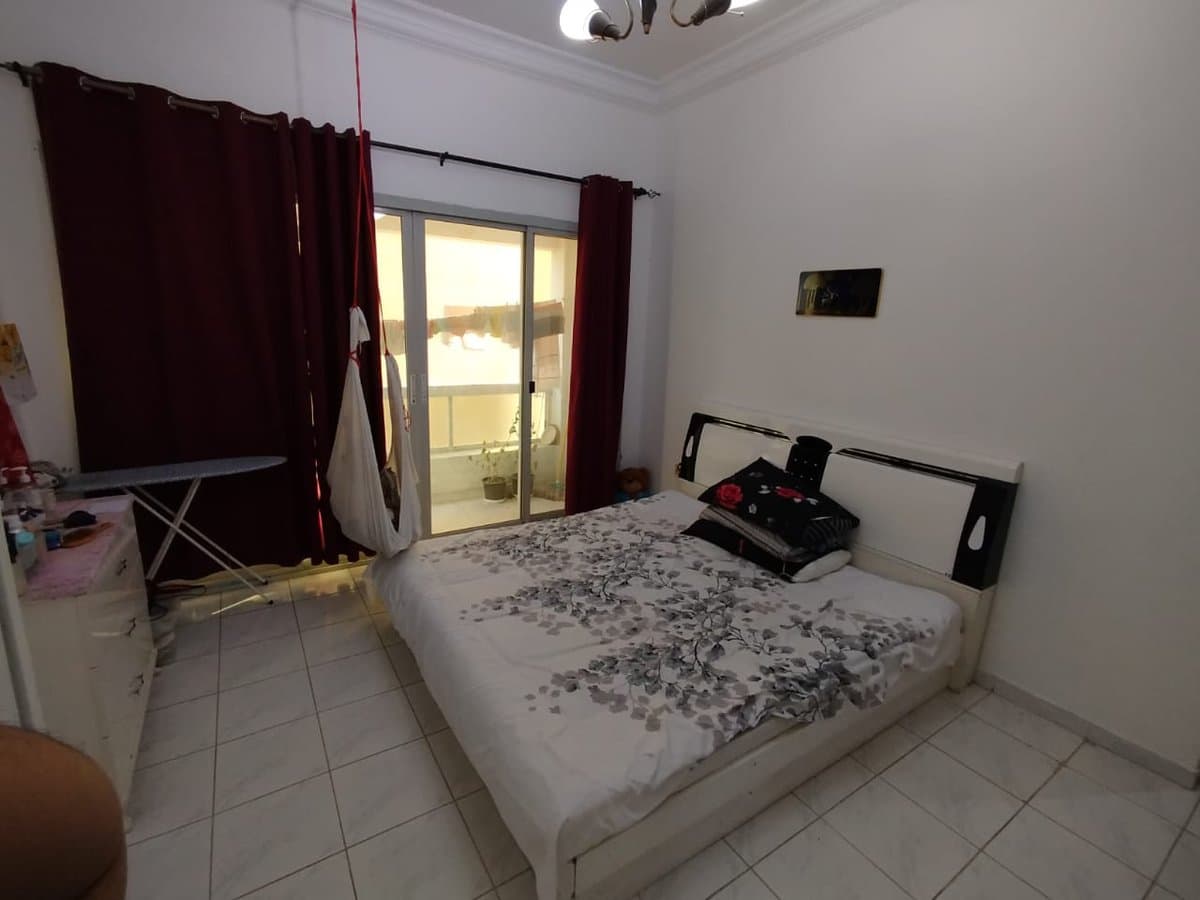
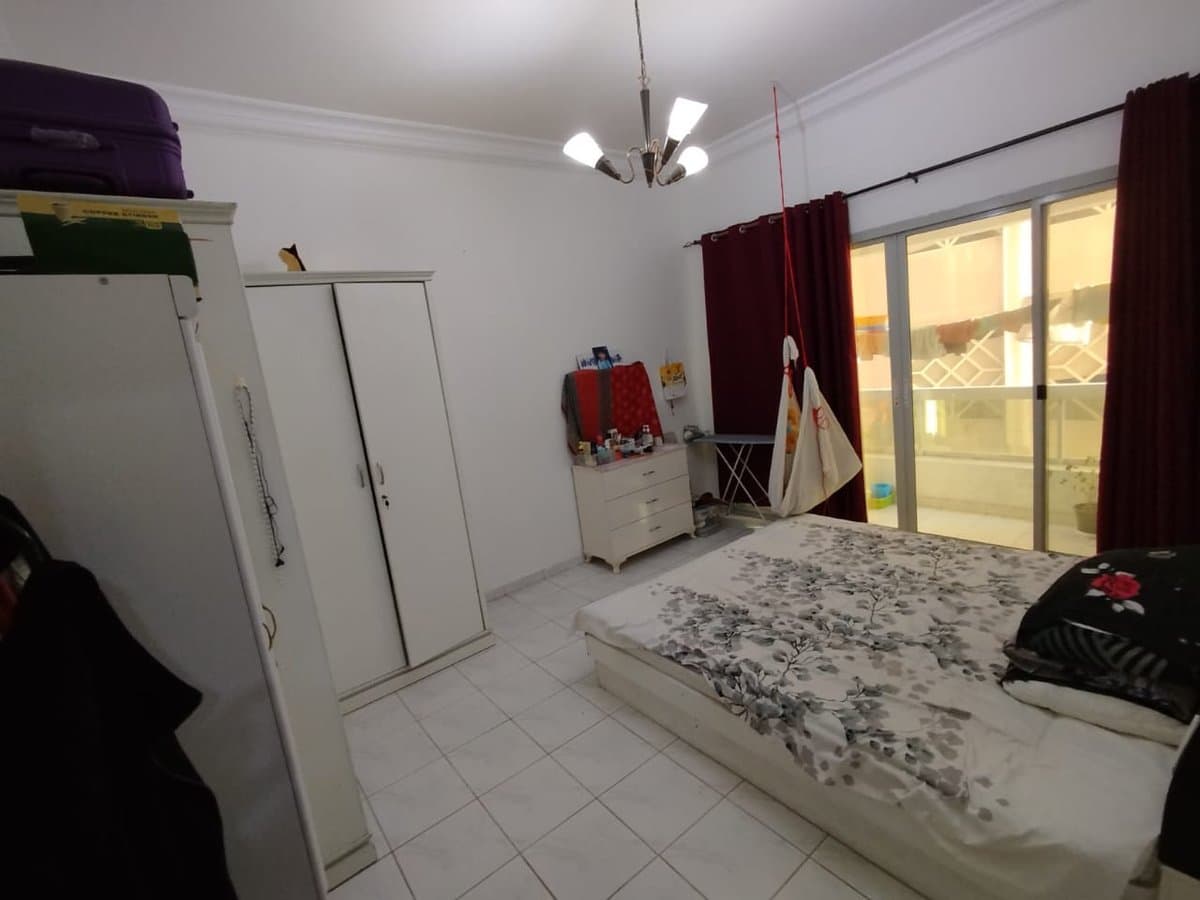
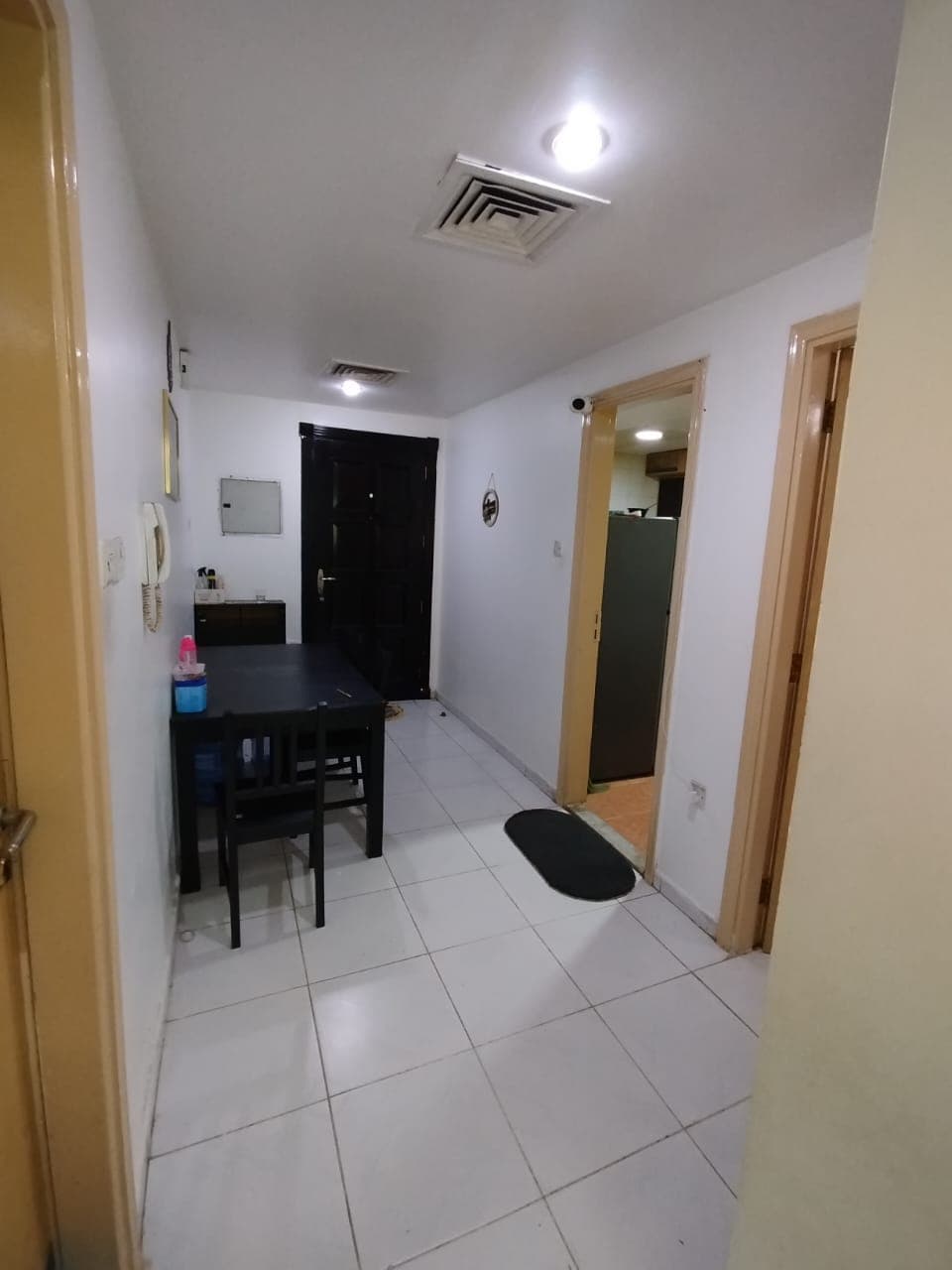
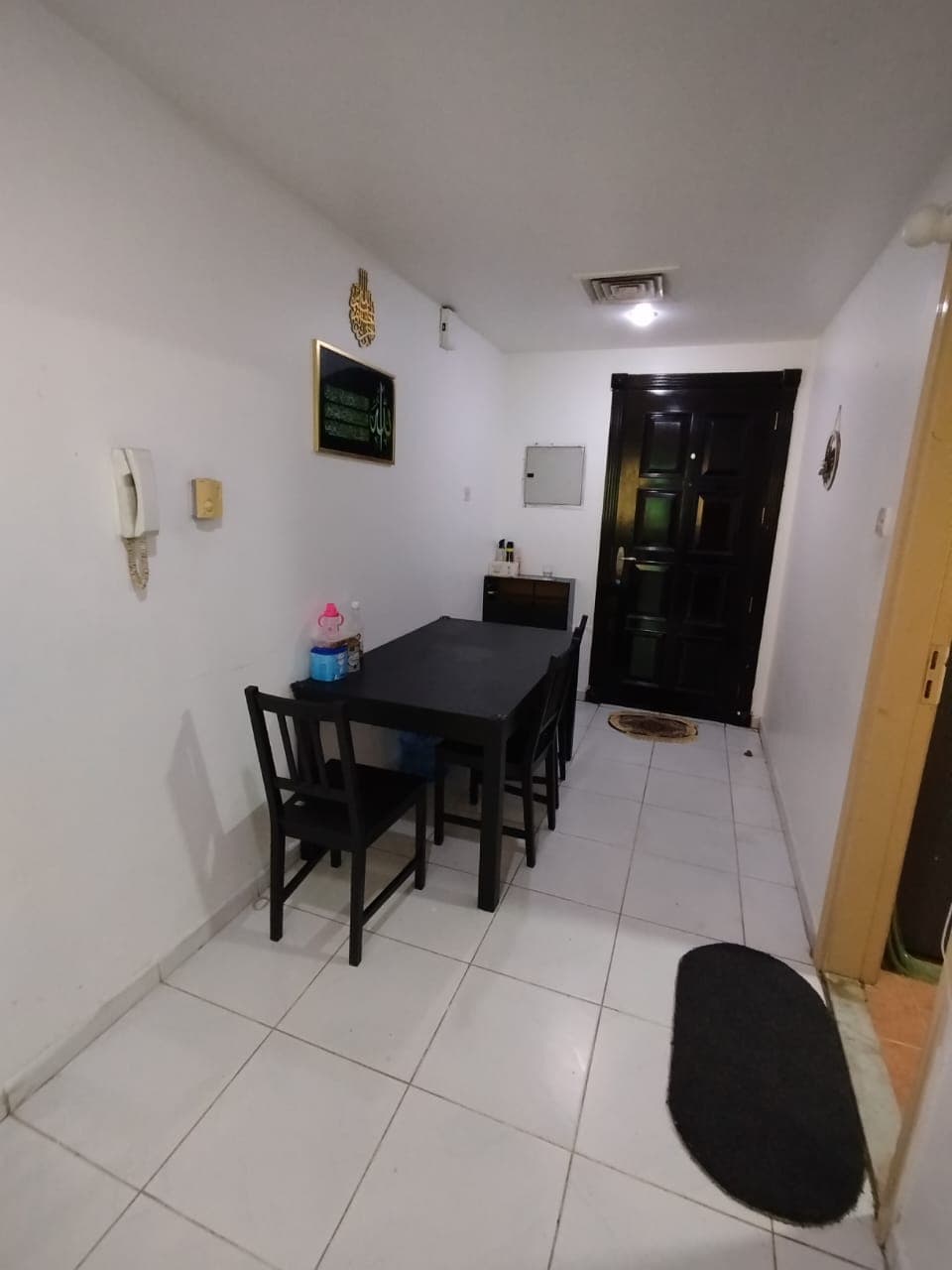
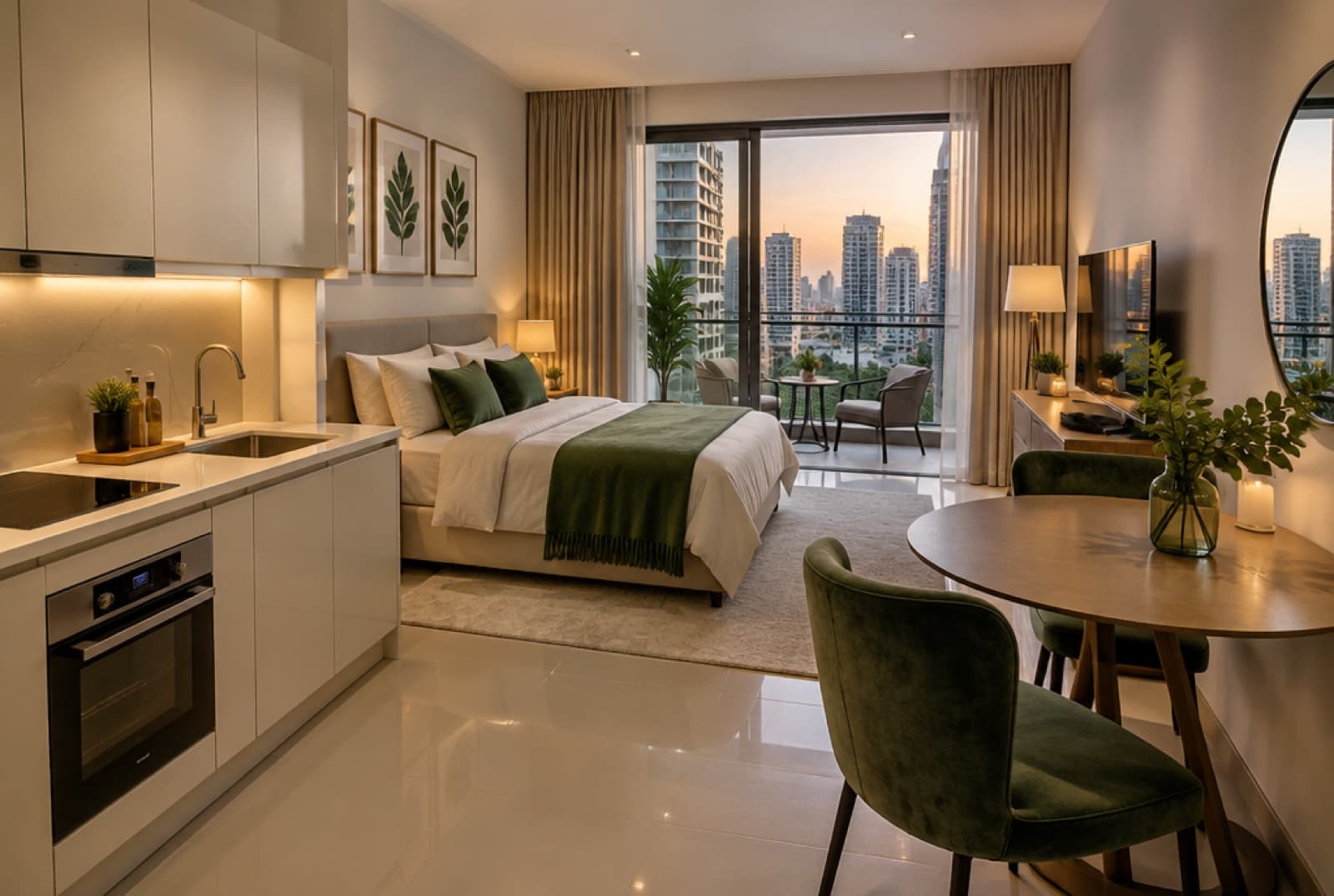
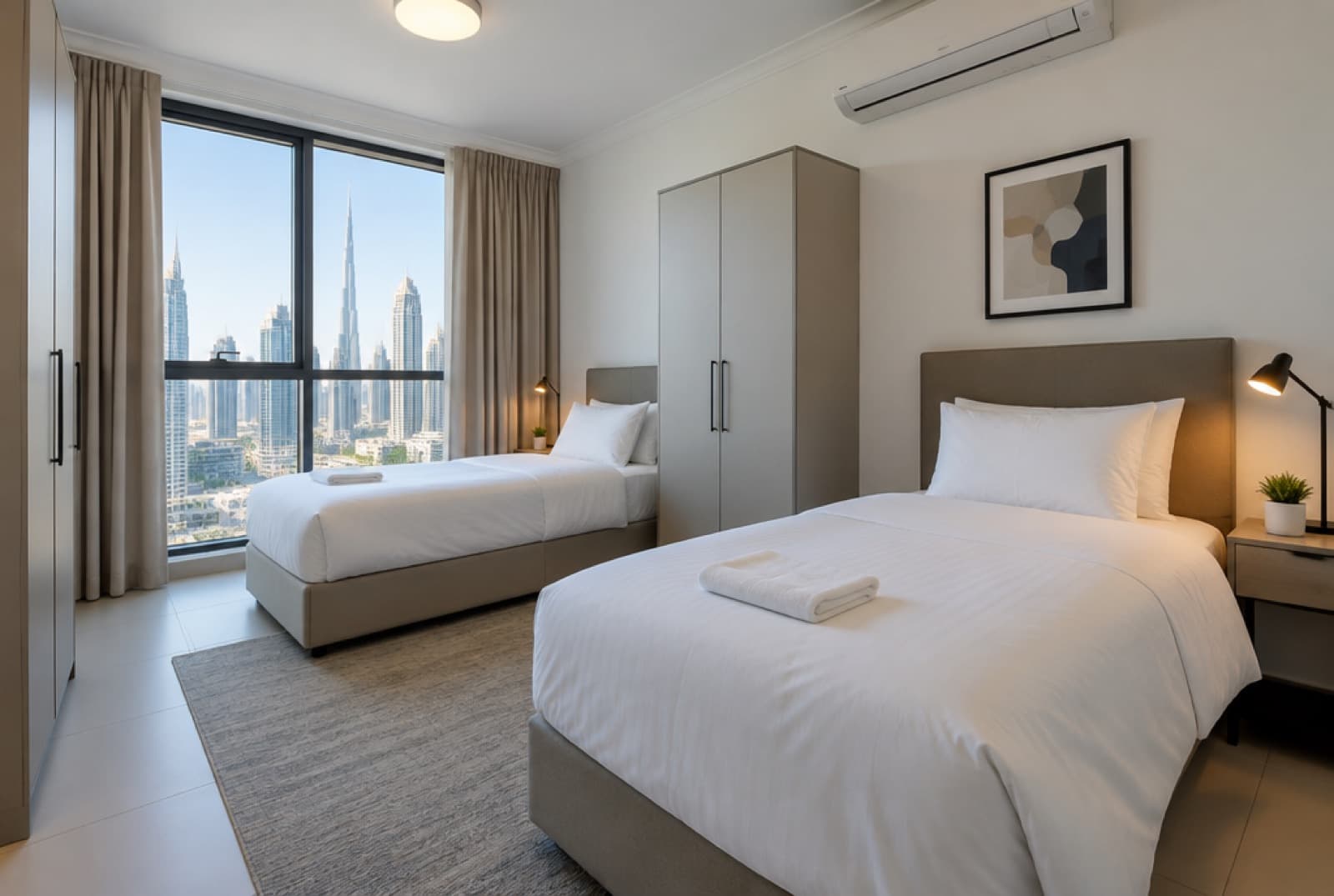
- First 2–6 weeks: a furnished base. Until your Emirates ID, bank account and cheque book are ready, most families stay in a furnished monthly flat or one of us goes ahead in a monthly studio.
- Residence visa and Emirates ID. Medical test and biometrics, then your Emirates ID. After that: bank account, mobile line, DEWA.
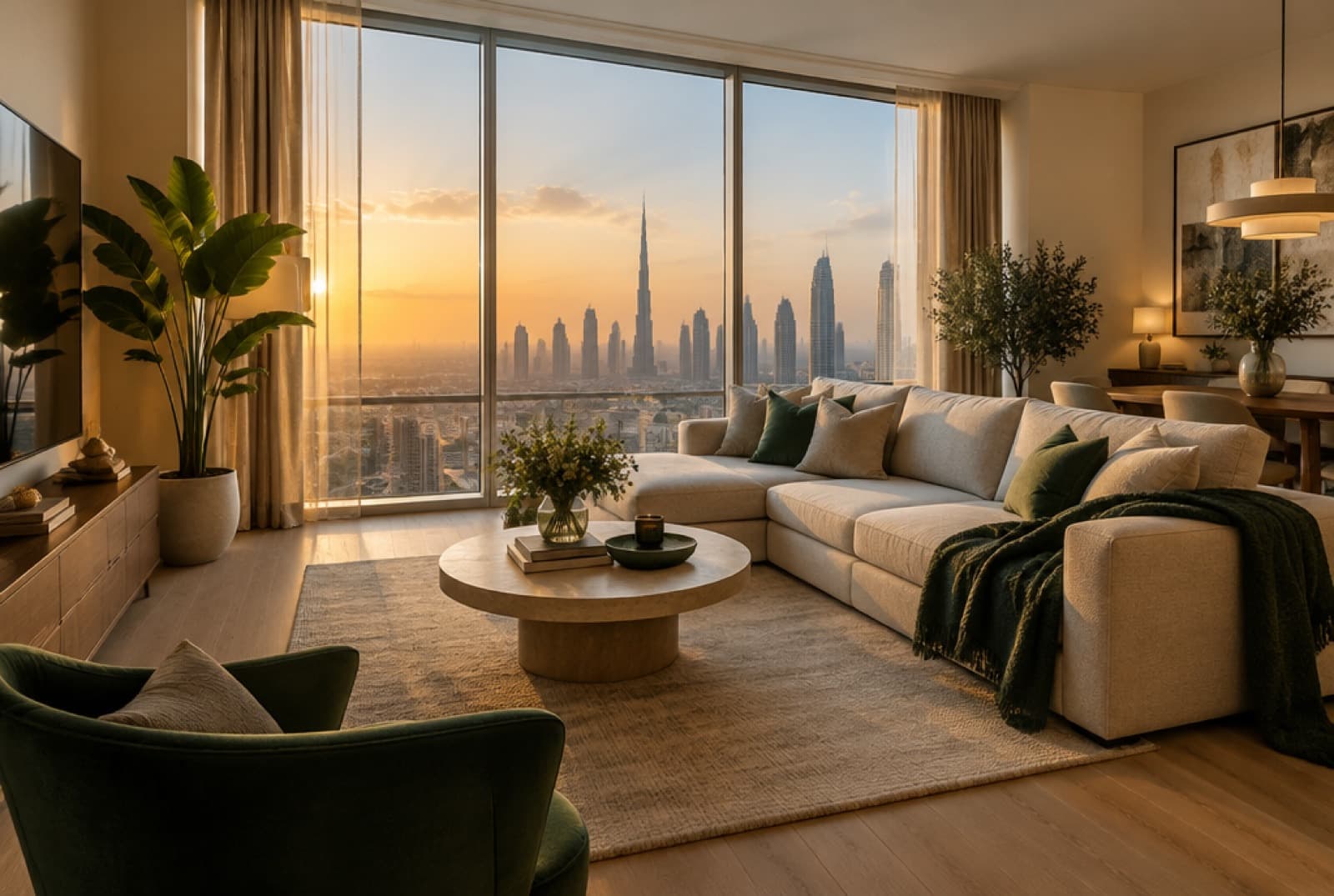
- Choose an area by commute and school. Map your office and your children's school first, then shortlist areas. See family apartments near the metro.
- Sign the yearly lease. Ejari registration, post-dated cheques, deposit and DEWA connection. We explain each one below.
- Sponsor your family. With your Ejari, salary certificate and attested certificates you can apply for your spouse's and children's residence visas.
Where Indian families live
Indians are Dubai's largest community: CBSE and Kerala-board schools, temples, gurdwaras and churches, and food from every state. See our guide to Indian neighbourhoods in Dubai.
- Al Karama: Very central, Walk to markets, clinics and two metro stations.
- Bur Dubai: Central and historic, Meena Bazaar and Indian groceries.
- Al Nahda (Dubai): Green Line metro, Al Nahda Pond Park and walkable shops.
- Al Qusais: Larger flats for the money, Two Green Line stations.
- Jumeirah Village Circle (JVC): New buildings with pools and gyms, Many parks and nurseries.
- Al Nahda (Sharjah): More space for the money, Sahara Centre and parks.
Driving
Indian licences can't be converted directly; you'll take driving lessons and an RTA test (some experienced drivers get a shorter course).
How renting works in Dubai
- Contract: Dubai family flats are normally let on a 12-month contract registered with Ejari. Monthly or 3-month furnished stays exist but cost more per month.
- Payment: rent is paid by post-dated cheques. Fewer cheques (1–2) gets a lower rent; 4, 6 or 12 cheques are negotiable, and some owners accept monthly bank transfer.
- Security deposit: commonly about 5% of the yearly rent for unfurnished and about 10% for furnished, refundable at the end.
- Agency fee: agents usually charge around 5% of the yearly rent. Stayshay charges families nothing.
- DEWA (water and electricity): a refundable connection deposit is paid when you activate the account (larger for villas than apartments), plus monthly bills. Ask whether chiller/AC is included, it changes the bill a lot.
- Family visa link: your Ejari is one of the documents used for sponsoring your spouse and children, so make sure the contract is in the sponsor's name.
Checks before you pay anything
- Visit at the time you'd commute, and check the walk to the metro or bus stop with children.
- Check the chiller/AC arrangement (DEWA-included, Empower or a separate chiller bill).
- Ask for the title deed or the owner's ID and make sure the person you pay is the owner or a RERA-registered broker.
- Never pay a deposit before viewing. Pay by cheque or bank transfer to the owner's or agency's account, and get a receipt.
- Agree in writing who pays maintenance and what happens if you need to leave early (often 1–2 months' rent penalty).